What Buying Into Coal Creek Ranch Actually Means, Four Years After the Fire
September 10, 2026
September 10, 2026
Nick and Kate Kleinschmidt moved back into their house on the same lot where they used to live on a Tuesday afternoon in late December 2025, four years to the day after the Marshall Fire took it. They unloaded snacks and drinks for a gathering with neighbors who had already made the same trip back. A handful of houses on their block were still framed and unfinished. That detail, more than the move-in date itself, tells you what a listing sheet in Coal Creek Ranch cannot: this subdivision is not one market that survived a disaster and came out the other side uniform. It is two markets, built four decades apart, sharing a street grid and a golf course, and the gap between them is where a buyer's actual homework begins.
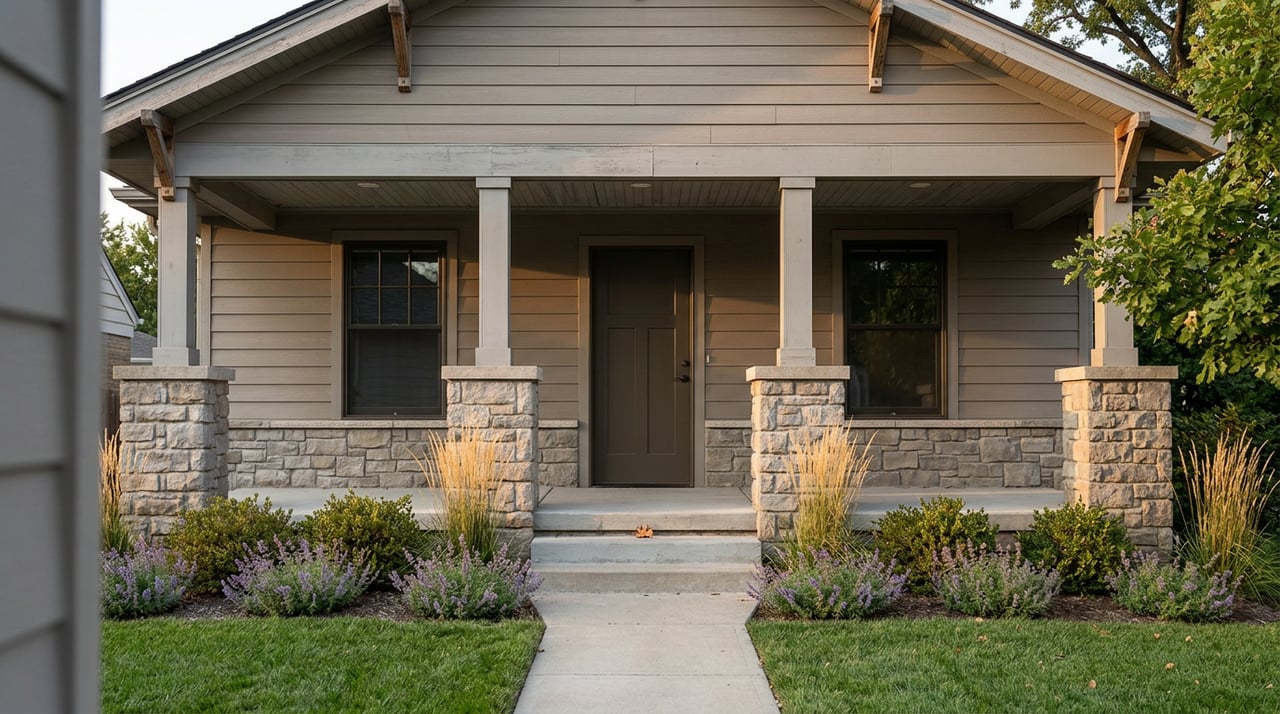
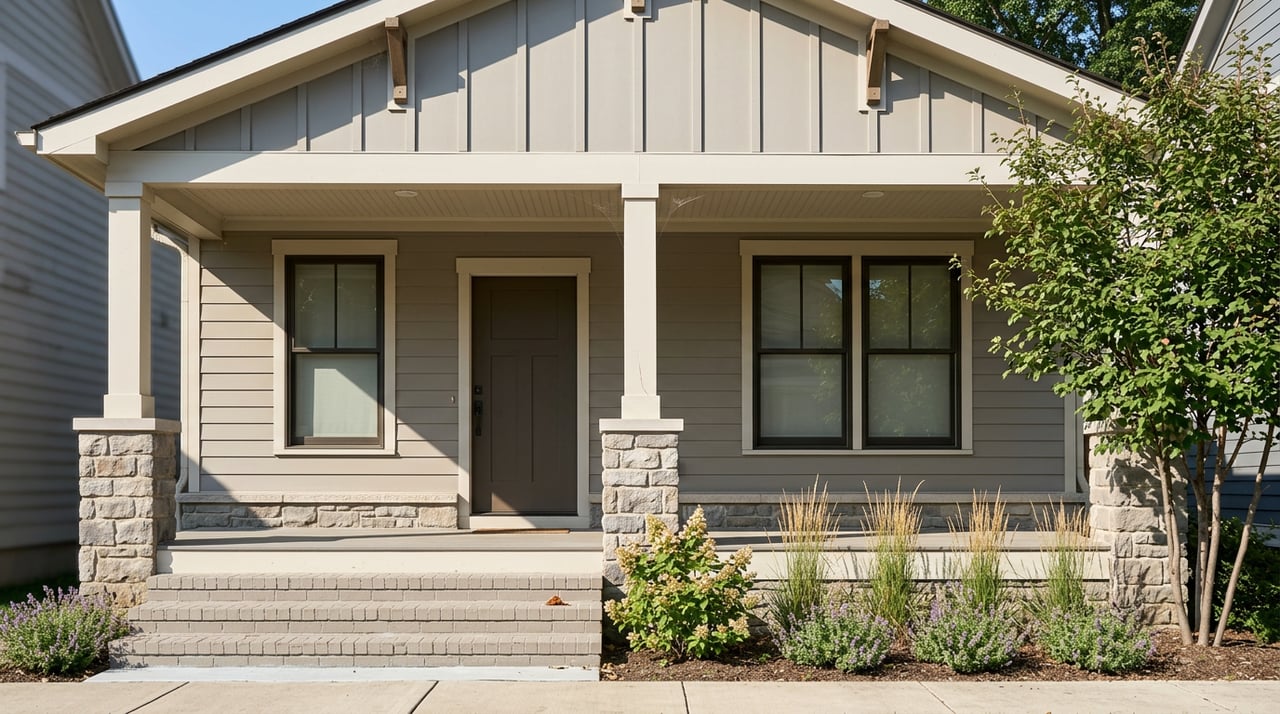
Coal Creek Ranch has 486 homes under one master association, incorporated in 1988 as the first planned unit development in Louisville. The Marshall Fire destroyed 162 of them on December 30, 2021. Everything since has been a rebuild layered on top of an original neighborhood that never left. Homes from the original construction run between 1979 and 2001 sit on the same streets as houses that broke ground in 2022 or later, built by production builders like Boulder Creek Neighborhoods or custom shops like Feller Homes, whose crews framed a rebuild for the McKee family that fall.
That mix shows up in price. Coal Creek Ranch listings in September 2025 carried a median list price of roughly $1.34 million at about $457 per square foot, well above the citywide Louisville median. Over the three months ending June 2026, Louisville as a whole sold at a median of $959,000 and $405 per square foot, up 10.9 percent year over year. The neighborhood premium is real, but it is not evenly distributed. A rebuilt house on a cleared lot is a different asset than a 1980s original with its original systems, and the spread between the two inside one subdivision is wider than most buyers expect walking in off a portal search.
The practical takeaway: do not price a Coal Creek Ranch home off the subdivision median. Ask when the specific house was built or rebuilt, and treat a 2023 rebuild and a 1985 original as two different comps, even if they sit three doors apart.
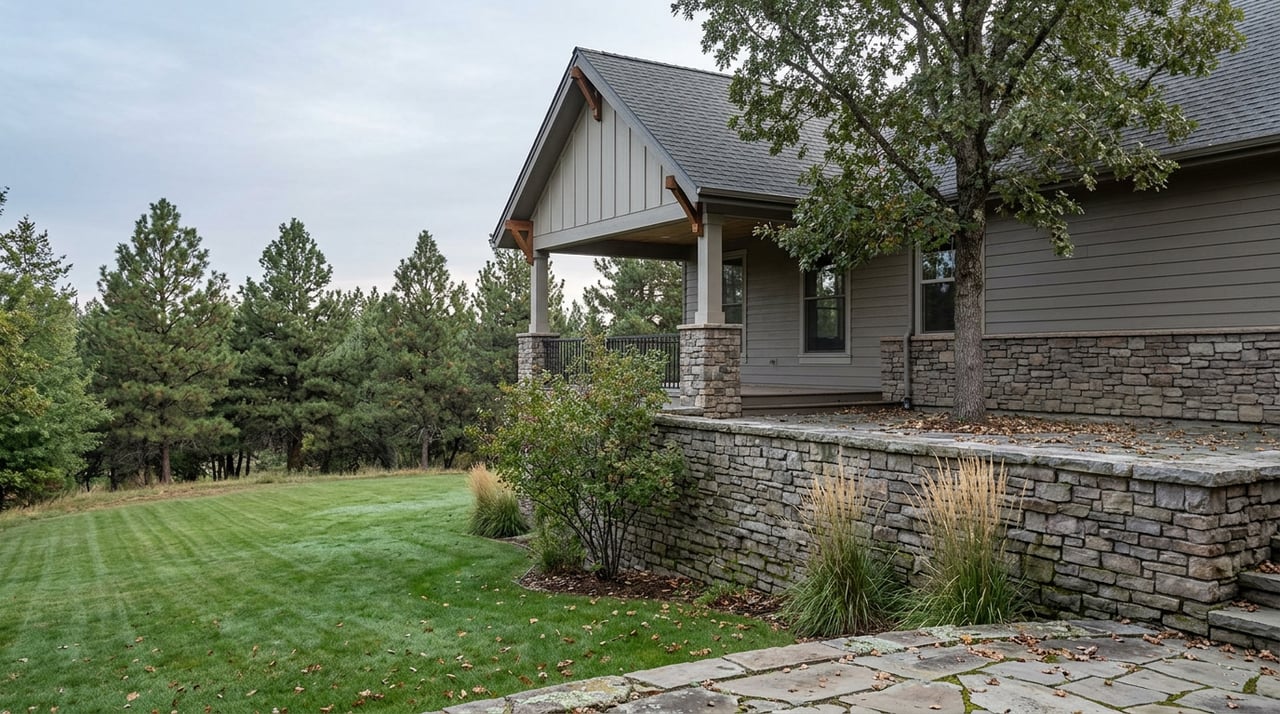
Some of Coal Creek Ranch sits on sloped lots that back up to the golf course and Coal Creek itself, which means retaining walls do real structural work here, not decorative work. After the fire, several owners discovered those walls were shared between two properties, and that nobody had a clear record of who was responsible for rebuilding them.
Bartley Cox, who lost his Louisville home of 28 years, described the surprise plainly to a Colorado business publication covering the rebuild:
"Some people didn't even know they owned the retaining walls and were unaware they were responsible for rebuilding it. Some of the walls are owned by two properties. No one considered it would burn."
Cox estimated construction bids to replace his own home at $1.4 million or more against a lot he valued at about $500,000, a gap driven in part by retaining wall costs that ran as high as $300,000 on some properties. That is not a Coal Creek Ranch quirk limited to fire survivors. It is a structural fact of buying on a sloped lot in this subdivision. Before writing an offer, ask the seller's agent whether the property includes a shared retaining wall, and if so, whether there is any recorded agreement about maintenance responsibility. The HOA master association, managed through Vista Management Associates, is the place to start that conversation if the listing paperwork does not answer it.
Part of the Marshall Fire burn area, including sections of Coal Creek Ranch, intersects a FEMA Zone AE floodplain tied to Coal Creek. That designation requires federally backed flood insurance as a condition of construction financing on rebuilt homes, and it applies regardless of how the property reads on a walk-through. A house with mountain views and a golf course backdrop does not look like flood territory, which is exactly why buyers miss it.
If you are financing a purchase on a rebuilt or partially rebuilt lot in this subdivision, order a FEMA flood zone determination and elevation certificate before you go under contract, not after. Flood coverage in this zone typically runs a few thousand dollars a year on top of standard homeowner's insurance, and it needs to be built into your monthly carrying cost comparison, not discovered at closing.
Boulder County reassesses property values on a biennial cycle, and a rebuilt home gets valued at its completion cost as of the next January 1 assessment date following its certificate of occupancy, not at the value the prior structure carried before the fire. That means a house that finished construction in 2024 or 2025 may show a tax bill on the seller's disclosure that has not yet caught up to the home's true post-completion value, and your bill as the new owner could be noticeably higher once the county's next cycle runs.
This matters most for anyone comparing a recently completed rebuild against an original 1980s or 1990s home nearby. The two properties can carry very different assessed values relative to their market price, and the seller's current tax line is not a reliable stand-in for what you will actually pay.
Colorado homeowners broadly have seen premium increases of 30 to 50 percent since the Marshall Fire reset how insurers price wildfire risk in Boulder County, a shift compounded by consecutive severe hail seasons in 2023 and 2024. Louisville was not considered a standard wildfire risk before December 2021. It is now underwritten as one. If you are budgeting a purchase in Coal Creek Ranch against pre-2022 insurance comps a friend or relative mentions, throw that number out and get a current quote before you finalize your offer price. The gap between what insurance cost here five years ago and what it costs now is large enough to change what a monthly payment actually looks like.
| Original construction (1979–2001) | Post-fire rebuild (2022–present) | |
|---|---|---|
| Typical builder | Original subdivision developers | Boulder Creek Neighborhoods, Feller Homes, custom architects |
| Systems and code | Pre-2022 energy and fire code | Current Louisville building code |
| Retaining wall risk | Higher, original walls aging | Depends on whether wall was rebuilt |
| Flood zone exposure | Same Zone AE overlay applies | Same Zone AE overlay applies |
| Tax assessment basis | Established, stable | Resets at completion value on next Jan 1 cycle |
None of this shows up on a standard listing sheet, and none of it shows up in a subdivision-wide median. It shows up when you ask the specific questions a rebuilt neighborhood requires.
Is Coal Creek Ranch fully rebuilt as of 2026? Most of the 162 destroyed homes have been replaced, but as of the four-year anniversary in December 2025, some construction was still active on individual lots. Confirm the status of any specific property before assuming it matches the surrounding neighborhood's timeline.
Does the flood zone affect the whole subdivision? No. The Zone AE overlay intersects part of the Marshall Fire burn area rather than covering every lot. A flood zone determination on the specific parcel is the only way to know for certain.
Will my insurance cost the same as the current owner's? Not necessarily. Rates depend on your carrier, your coverage limits, and when you bind the policy. Get your own quote rather than relying on the seller's disclosed premium.
Coal Creek Ranch rewards buyers who ask specific questions and penalizes buyers who trust a median. If you are weighing this subdivision against other options in Louisville or elsewhere in Boulder County, Bethany Sartell can walk through the retaining wall documentation, flood zone determination, and current insurance landscape on any specific address you're considering. Schedule a consultation and get a complimentary home valuation before you write an offer here.
Get assistance in determining current property value, crafting a competitive offer, writing and negotiating a contract, and much more. Contact me today.