
Buying or Selling Near the Marshall Fire Burn Area: The Louisville Closing Frictions Nobody Talks About
July 23, 2026
July 23, 2026
Four and a half years after the Marshall Fire, the hardest part of a Louisville transaction on or near the burn footprint isn't finding a buyer or a listing. It's the gap between two houses standing across the street from each other, one rebuilt in 2025 and one built in 1998, that now have to appraise, insure, and disclose under the same contract. That gap sets the leverage on every 2026 deal in this submarket, and most contracts price it in far too late.
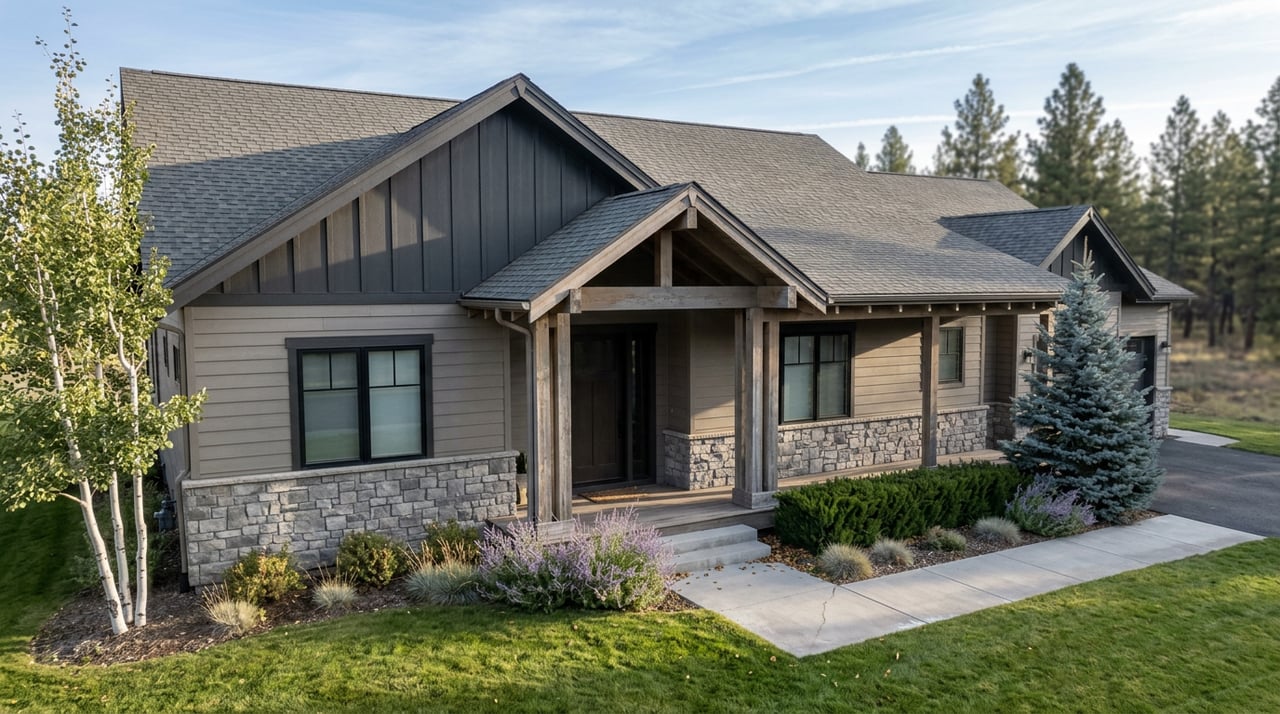
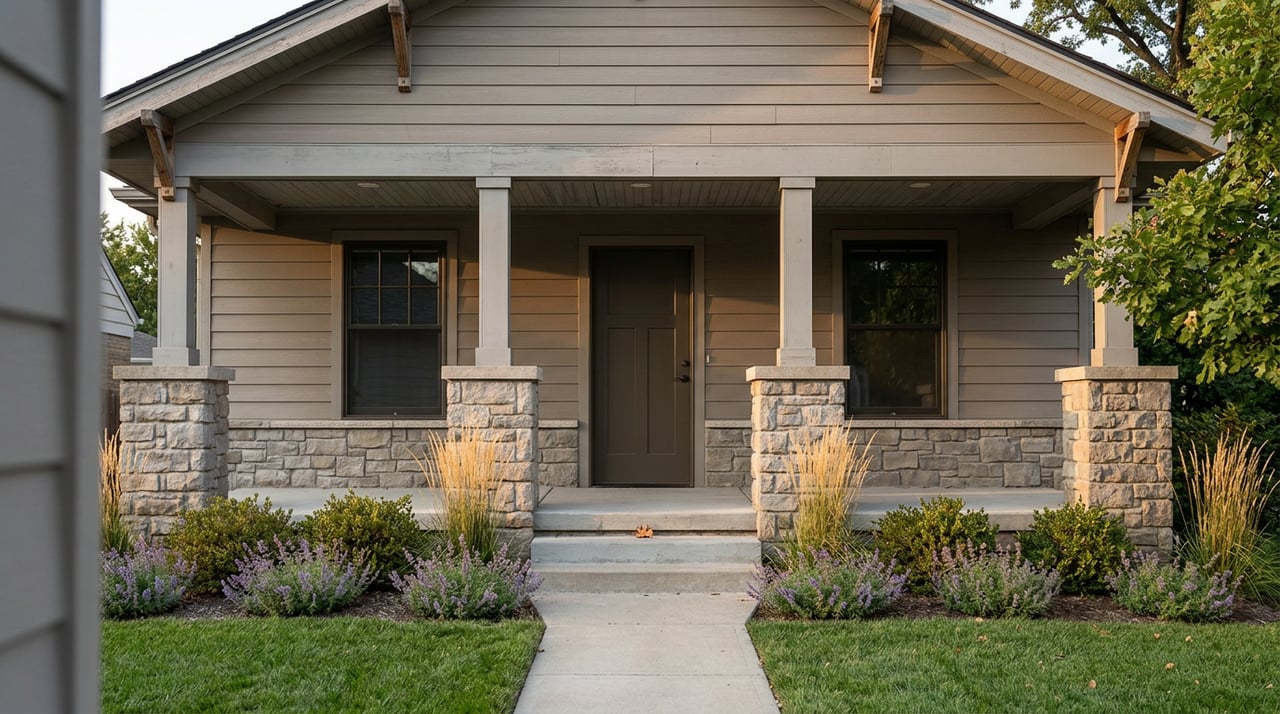
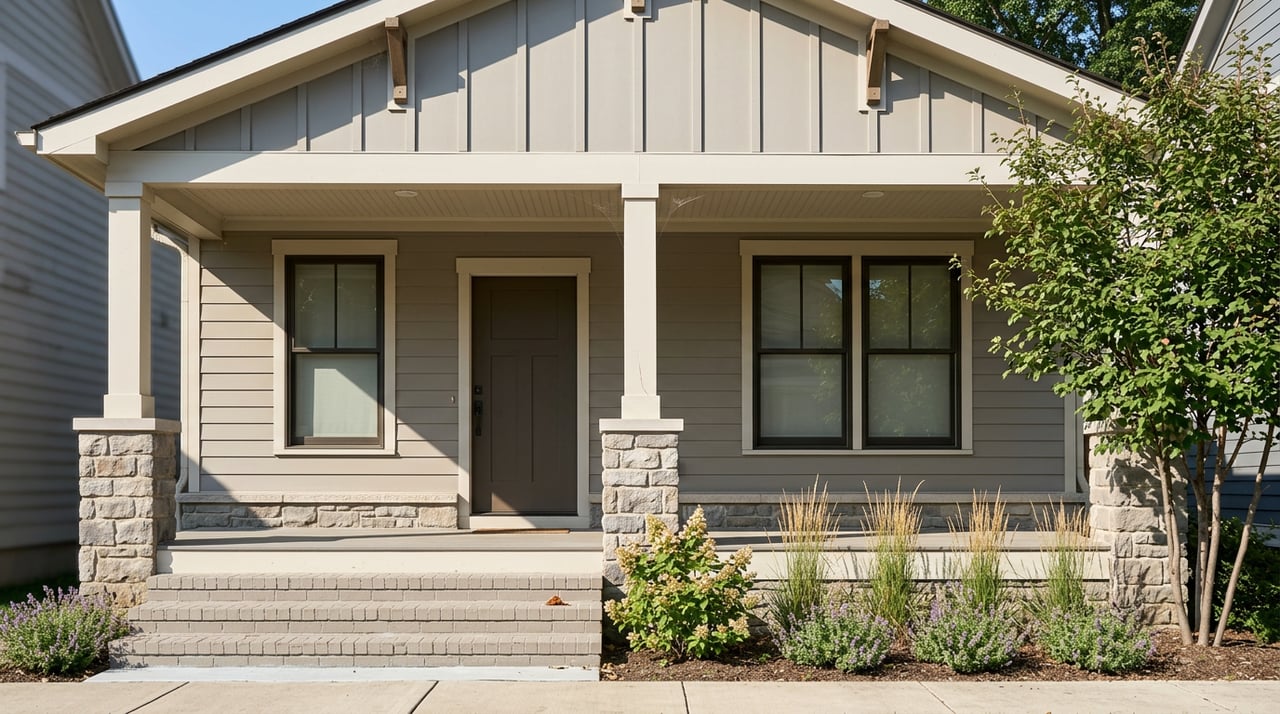
Rebuild costs in Louisville and Superior have settled into a $650,000 to $1.1 million range for a comparable replacement structure, sitting on lots that hold $250,000 to $450,000 in standalone value. Post-completion market values on newly finished homes are landing in the $850,000 to $1.4 million band. Meanwhile a neighbor two doors down whose home survived the fire may sit in a very different price tier, with different finishes, different code compliance, and a very different insurance profile.
That creates a specific appraisal friction. An appraiser working a rebuilt home has a thin comp set of other rebuilds, and a wider set of pre-fire houses that no longer share the same construction, energy, or fire-hardening standards. On the flip side, a pre-fire home selling into a partially rebuilt block has to be measured against new construction that meets today's code and against vacant lots that anchor the low end. Both directions can produce an appraisal that surprises the parties who set the contract price.
A useful frame before writing the offer:
| Property type | Comp pool in 2026 | Typical appraisal risk |
|---|---|---|
| Rebuilt post-fire home | Small, mostly other rebuilds | Under-appraisal if only pre-fire comps are pulled |
| Pre-fire home on a rebuilt block | Mixed, widening spread | Value pinned down by adjacent new construction |
| Vacant lot | Cash-buyer sales at $250K–$450K | Financing rarely applies; cash sets the floor |
Sellers who assume their finished rebuild will comp against the highest recent close, and buyers who assume a pre-fire home will comp against the vacant lot next door, both leave the closing table unhappy. The listing strategy has to include the comp package the seller wants the appraiser to weigh, and the buyer's agent has to be ready with rebuttal comps if the number comes in short.
Colorado's wildfire insurance market has tightened materially since December 2021. Carriers now write, or decline, by ZIP code and by distance from the fire line, and some rely on aerial imagery to draw the boundary house by house. Coverage that was routine to bind in 2020 can require surplus-lines placement in 2026, at two to three times a standard premium. During active fire seasons elsewhere in the state, moratoriums on binding new policies briefly close the door even for buyers whose home is nowhere near the flames, a dynamic the Colorado Sun documented again in July 2026 as fires burned in southern Colorado.
For a Louisville buyer, that has three practical consequences:
The state has been tightening the consumer side of this at the same time. Under HB 1174 and the follow-on Colorado Division of Insurance rulemaking, insurers writing replacement-cost policies must now offer extended replacement cost coverage of at least 50% of the dwelling limit, up from the older 20% baseline, along with law and ordinance coverage at a defined floor. The rule took effect on July 30, 2024 and is detailed on the Colorado Division of Insurance site. Buyers reviewing a seller's existing coverage as part of due diligence, and sellers planning their next home, should confirm that the offered coverage actually reflects today's Louisville rebuild costs rather than the smaller cushion that left roughly three-quarters of studied Marshall Fire policies short of full rebuild after 2021, according to research summarized in The Conversation.
Boulder County reassesses on a biennial cycle. A rebuilt home is assessed at its completion value as of the January 1 following certificate of occupancy, not at the pre-fire figure that carried on the parcel through construction. A property that had been assessed near $550,000 before the fire and finishes at a $900,000 construction cost enters the next cycle at the higher basis, and the property tax line item rises accordingly.
That matters at closing in two directions. A seller of a finished rebuild who quotes the current tax bill is quoting a number that is about to reset, and a buyer who underwrites the payment against that stale figure will feel the correction inside the first year of ownership. On a resale within the burn footprint of a pre-fire home, the surrounding rebuilds pull the neighborhood assessed values up over time, which is a slower version of the same effect. Neither side is doing anything wrong. The number simply moves on a schedule that isn't in the contract.
Verify the current and pending assessment on the Boulder County Assessor's parcel record before finalizing an offer or a list price, and treat the tax proration line as a real negotiation point rather than boilerplate. This is a general planning point, not tax advice; the county assessor and a Colorado tax professional can speak to a specific parcel.
Colorado uses a Seller's Property Disclosure form that requires disclosure of known material defects, and that obligation extends to disaster-related damage even when it has been fully repaired. A home that took smoke, soot, or ash intrusion in the December 2021 event, or straight-line wind damage from the same storm, carries a disclosure trail that a seller needs to document and a buyer needs to read carefully. Save the inspection reports, the mitigation invoices, the mold or air-quality testing, and the closed insurance claim letters, and put them in the disclosure packet rather than answering questions ad hoc during the inspection objection period.
On the buyer's side, a clean disclosure with documentation tends to shorten inspection negotiations rather than lengthen them. On the seller's side, the alternative to disclosing is legal exposure that outlives the closing. There is no upside to leaving a repaired defect off the form.
Two more items belong in the packet for any home built or rebuilt in the burn area under the new rules:
Median price is the last place these deals are decided. The leverage lives inside four line items:
Underinsured owners are still exiting via lot sales in the $250,000 to $450,000 range, and owners who rebuilt with full replacement cost coverage are capturing meaningful built equity as finished comps come in above cost. Those two seller profiles want very different marketing plans, and buyers should read a listing carefully enough to tell which one they are looking at.
Do I have to disclose that my Louisville home had smoke or soot damage in December 2021 if the remediation is documented and complete? Colorado's disclosure obligation covers known material defects even after repair. Documented remediation belongs in the disclosure packet, not left out of it.
Is flood insurance actually required on a Louisville lot? Only where the parcel intersects the Coal Creek Zone AE floodplain, and typically as a lender condition when the purchase is financed. Order the FEMA determination before you write or accept the offer.
Will my property taxes really change the year after my rebuild finishes? Boulder County resets assessed value at the January 1 following certificate of occupancy under the biennial cycle. Confirm the pending assessment with the assessor before underwriting a payment.
What if my insurer non-renews mid-transaction? It happens in this submarket. Buyers should keep a backup carrier quote in hand, and sellers should verify their current coverage is bindable before listing.
If you're weighing a sale, a purchase, or a rebuild-versus-sell decision on or near the Louisville burn footprint, the details above are exactly the kind of pre-contract diligence Bethany Sartell and her team work through with clients every week. Schedule a consultation and get your complimentary home valuation, and we'll build the appraisal, insurance, tax, and disclosure plan around your specific parcel before the first offer is on the table.
Get assistance in determining current property value, crafting a competitive offer, writing and negotiating a contract, and much more. Contact me today.