Boulder's 50-Year Demolition Review Rules Explained
August 20, 2026
August 20, 2026
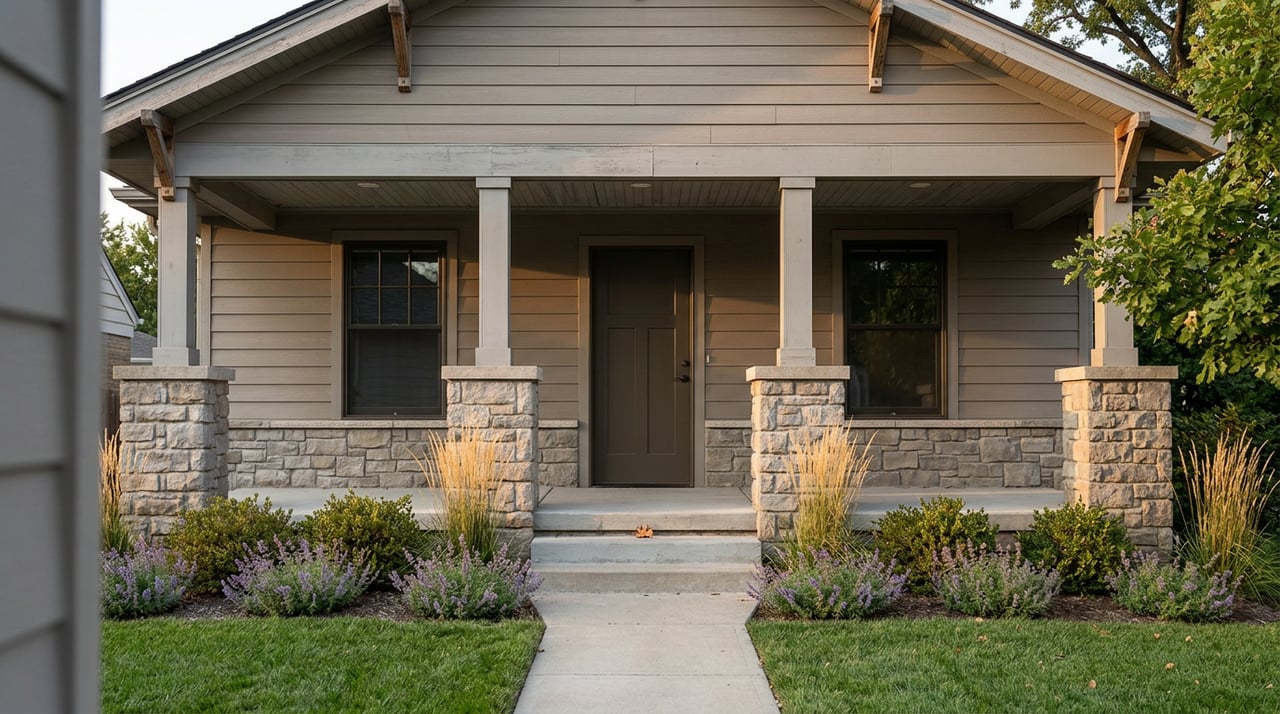
As Boulder Reporting Lab reported, in February 2026, Boulder's Landmarks Board voted 4 to 1 to protect a nearly 100 year old Craftsman bungalow at 990 Arapahoe Avenue, and in doing so it put a fully permitted senior housing expansion on hold. Presbyterian Manor had planned to clear the bungalow along with three neighboring homes to make room for the project. Instead, the board initiated the landmark designation process, which means the house cannot be torn down while a full designation hearing plays out. City council will ultimately decide whether the bungalow becomes an official landmark, but for now it stands, and the project behind it does not move forward as drawn.
What makes this case worth understanding if you own, or plan to buy, an older home in Boulder has nothing to do with senior housing policy. It has to do with the fact that 990 Arapahoe Avenue was never a designated landmark and was never inside a historic district before this vote. It qualified for review for one reason only: it was built more than 50 years ago, according to the City of Boulder. That single fact quietly governs a much larger share of Boulder's housing stock than most buyers, sellers, or even long-time owners realize, and the threshold moves forward every year.
Boulder's demolition review requirement does not care whether a house is architecturally distinguished. It applies to any building over 50 years old that is not already an individual landmark or inside one of the city's 10 historic districts, and it applies the moment someone applies for a permit that meets the city's definition of demolition. Some public commenters pushed back hard on the Arapahoe Avenue outcome, arguing in the hearing record that the bungalow was a mass produced Sears Roebuck catalog model rather than a one of a kind structure, and that 18 members of the public spoke in favor of demolition against 5 opposed. The board proceeded anyway. City officials noted this was the first time since 2019 that Boulder pursued a landmark designation over a property owner's objection, which tells you how rarely this escalates all the way to a contested vote, and how much more often it resolves quietly during a routine permit review.
Do the math on the 50 year threshold using today's date and you land on 1976. Any Boulder home built before that year already qualifies for review the moment an owner proposes major exterior work or a teardown, regardless of how ordinary the house looks. That includes plenty of unremarkable ranch and split level homes in neighborhoods like Whittier, Newlands, and University Hill that carry no plaque, no historic district overlay, and no obvious signal to a buyer walking through an open house. Mapleton Hill is one of the city's 10 formally designated historic districts, and individually landmarked homes are scattered through neighborhoods well beyond it. The line between an ordinary older home and one that triggers a review process is simply a birth year, and that year keeps moving.
The city's code defines triggering work narrowly, and the most common misconception is worth clearing up directly. Many owners assume review only kicks in if more than half of a street facing wall comes down. In fact, removing any portion of a street facing wall triggers review, including building a new wall in front of the existing one or concealing the original exterior finish under new siding or stucco. Removing more than 50 percent of the roof, measured in plan, does the same. These are narrow, specific tests, and a remodel that looks modest on paper, like popping out a front facade for a bigger porch or reconfiguring a roofline for an addition, can land squarely inside them.
Once an application meets that definition, the Landmarks Board can place a stay of up to 180 days to explore alternatives. Review fees apply, and a full Landmarks Board hearing can add to the cost. Simple work like repainting or matching reroofing can clear staff level review in days. Anything involving an addition or a significant exterior change typically goes to the Landmark Design Review Committee, and that step adds real weeks to a project timeline.
Owners who do go through full landmark rehabilitation, rather than avoiding it, have an incentive on the other side of the ledger that is easy to miss. According to the City of Boulder, Colorado offers a 20 percent state income tax credit on qualified rehabilitation costs for local landmarks and contributing buildings in historic districts, capped at $50,000 per property, and it can be spread across a 10 year period. For an owner weighing whether to fight for designation, walk away from it, or lean into a full historic rehab, that credit is a real number worth running before deciding.
One more thing worth knowing if you are timing a project for later this year: Boulder's own Historic Preservation program noted in April 2026 that the city is exploring expanding which project types staff can review directly and extending initial review timelines, changes meant to add predictability but likely to shift some of the specifics described here. Anyone with a project on the calendar should confirm current review categories and timelines with city preservation staff before finalizing plans, not after.
If you're evaluating an older Boulder home with any intention of expanding it, changing its roofline, or eventually replacing it, check two things before you get attached to a plan. First, confirm the year built using the Boulder County Assessor's property search or the Historic Building Inventory Form, since anything before roughly 1976 falls under this review regardless of appearance. Second, check the city's Historic Districts and Landmarks map to see whether the property is already designated or sits inside one of the 10 historic districts, because that changes which certificate applies and how much latitude you have. Boulder's own preservation staff will talk through a specific project informally before you file anything, and that conversation is free. For a buyer weighing a fixer upper against a move-in ready home of similar age, or a seller trying to price a property that a buyer might want to expand, that single phone call is often the cheapest due diligence available.
Does this apply to a house that has never been flagged as historic in any way? Yes, as long as it is over 50 years old and not already designated as an individual landmark or located in one of the 10 historic districts, a demolition or major exterior alteration permit routes through this review by default.
What happens if the Landmarks Board places a stay on my project? You have up to 180 days during which the board and staff explore alternatives to demolition.
Older Boulder homes carry a kind of value that shows up on paper as a listing price and shows up in practice as a set of rules most buyers never see until they are mid-project. If you are weighing a purchase with renovation in mind, or you own a pre-1976 property and are trying to figure out what a remodel or a sale actually looks like under these constraints, Bethany Sartell can walk through the specifics with you before you write an offer or a design brief. Schedule a consultation and get your complimentary home valuation to start with a clear picture of what your property allows.
This article is general information, not legal, tax or financial advice. Consult a qualified professional about your situation.
Get assistance in determining current property value, crafting a competitive offer, writing and negotiating a contract, and much more. Contact me today.