Erie CO New Construction vs Resale: What Costs More by Year 3?
August 6, 2026
August 6, 2026
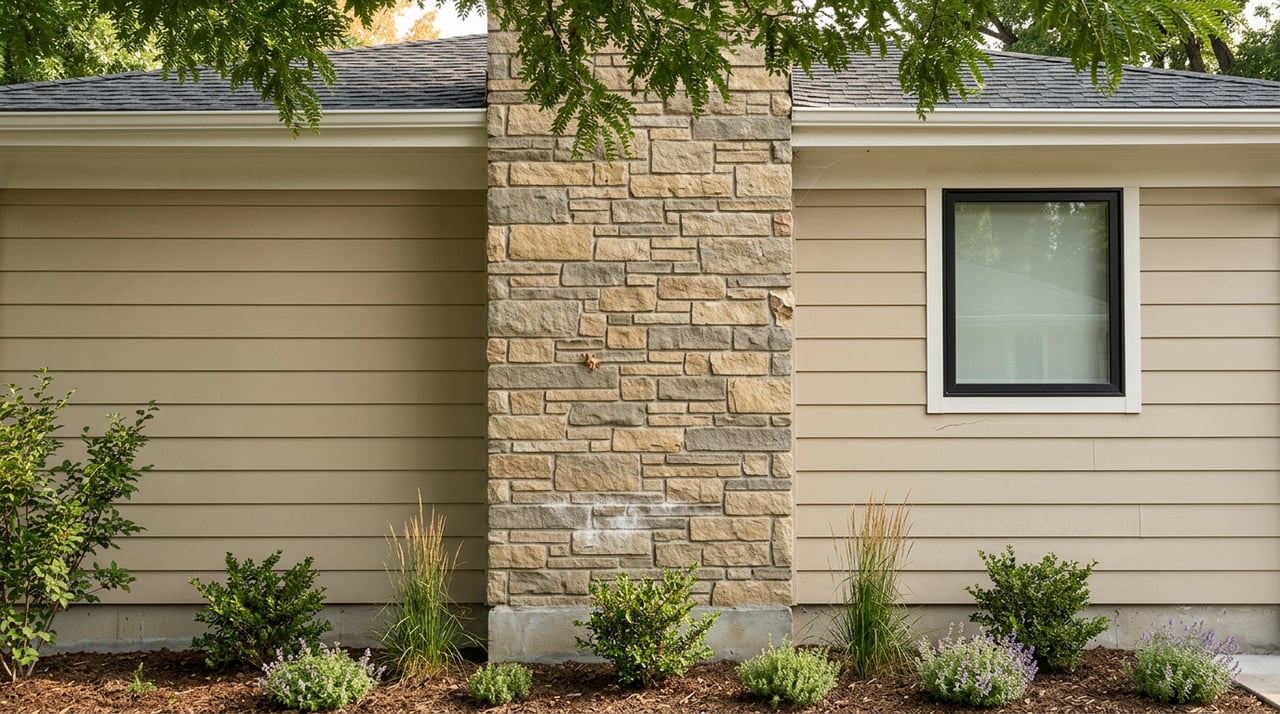
Two Erie homes sit a mile apart. One is a Toll Brothers townhome at Erie Town Center, delivering in September with a rate buydown that lands the buyer in the mid-5s. The other is a 2019 resale in Colliers Hill listed at a similar price, with a seller willing to write a check for inspection items. On paper the monthly payments look close. Twenty-two months after closing, they aren't close at all. The reason has nothing to do with the negotiation and everything to do with a line item that wasn't on the first year's tax bill.
The Town of Erie is explicit about this in its own homeowner guidance: if you buy a newly constructed home inside a metro district, you probably won't see the district's mill levy on your first property tax bill. New homes have to be valued by the county assessor before the full stack of mill levies gets applied, and the town notes that the district charge may not be added to tax bills until after that first valuation, more commonly showing up one to two years later rather than at the initial closing.
For a buyer running affordability off the closing disclosure, this is the single most important number that isn't in the closing disclosure. Erie Commons Metropolitan District No. 2, for example, has certified a residential mill levy of 55.663 mills, set by the district's board within the limits of TABOR and the service plan. Layer that on top of the town, county, and school mills and the effective property tax rate on a new home in a metro district often lands in the range where new communities stack metro district fees on top of the base county tax, pushing what looks like a 0.5% effective rate to roughly 1.1% or 1.2%.
That gap is not academic. On a $700,000 home, moving from a 0.5% effective rate to 1.2% is roughly $4,900 in additional annual tax, or about $410 a month added to escrow. It typically arrives the same year the builder's temporary rate buydown expires.
Front Range builders in 2026 are working with two levers, and understanding which lever is being pulled matters more than the headline dollar figure.
The first lever is closing cost credits. Across the Denver metro, builders are offering mortgage rate buy-downs, closing cost credits ranging from $10,000 to $25,000, and free upgrade packages to move near-peak inventory. In practice these credits are contingent on using the builder's preferred lender, and the lender's rate sheet is not always the sharpest in the market.
The second lever is a permanent rate buydown. The math on this one is different: in a market where entry-level homes often start near $500,000, builders are countering high rates with permanent rate buydowns that lock buyers into a fixed rate in the 5% range rather than the market's 7%, saving hundreds of dollars every month rather than a one-time cash grant. A permanent buydown from a large builder is a real number. Lennar's most recently reported incentive equaled 14.9% of a home's price, which on a $650,000 build is close to $97,000 of value expressed as rate rather than sticker.
Erie is where a lot of that money is being deployed right now. Active new-construction communities include:
The important structural point is that builders defend the base price. As Erie-market analysis frames it, new-construction homes often cost more per square foot than resale in the same area even before upgrades, because builders tend to protect pricing to avoid impacting future appraisals, so instead of cutting price they offer incentives that don't always benefit the buyer long-term. The sticker stays. The incentive moves.
The Erie resale market is not the market it was in 2022. Homes over the three months ending May 2026 sold at a median of $773,000, up 10.4% year over year, at a median of $268 per square foot, with average days on market around 42 across the last three months. Statewide, inventory has moved into a range that gives buyers renewed leverage to negotiate inspections and concessions, and Erie is no exception.
That leverage is where a resale competes with a builder buydown. A resale seller can:
That last point matters more than it sounds. New construction closings run 30 to 60 days from contract for inventory homes, but 4 to 12 months for to-be-built homes depending on builder, local permitting, and supply chain. A buyer selling a current residence to fund the purchase carries two sets of housing risk during that window.
Consider two Erie purchases at $700,000, both closing in fall 2026.
| Line item | New build in a metro district | 2019 resale outside a district |
|---|---|---|
| Purchase price | $700,000 (base defended) | $665,000 (list reduced 5%) |
| Closing costs / rate concession | ~$20,000 credit or 2/1 buydown | $8,000 inspection credit |
| Year-1 property tax (est.) | ~$3,500 (metro mill not yet applied) | ~$4,200 |
| Year-3 property tax (est.) | ~$8,400 (full stack including ~55 mill district) | ~$4,300 |
| Contract flexibility | Builder paper, limited inspection remedy | Colorado Contract to Buy, full inspection objection |
The new build looks cheaper in year one. By year three it is often the more expensive home to hold, and the buyer has less contractual room to have negotiated around the items driving that cost.
Erie is the only town in Bethany's service area that spans two counties, and the county line is not cosmetic. Erie Commons and several other newer subdivisions sit on the Weld side, where actual value is determined by the Weld County Assessor's office and updated every two years. Weld County is also one of Colorado's most active oil and gas regions, and mineral rights, well setbacks, and surface use agreements can affect properties north and east of Old Town in ways they generally do not on the Boulder County side. A resale on the Boulder side of Erie and a new build on the Weld side are not just different homes. They are different disclosure packages and different assessor workflows.
Does the metro district mill levy ever come off the bill? It changes over time as bonds are retired and the district's service plan is amended, but the resident should not budget on the assumption that it will fall meaningfully in the first ten years. Erie Commons District No. 2's outstanding bonds mature December 1, 2049.
Can I use my own lender on a new build and still get the incentive? Sometimes, but the largest closing credits are usually conditional on the preferred lender. As one Erie-market analysis puts it, builder-lender pairings may offer incentives but sometimes come with higher interest rates or additional fees. It is worth pricing both paths.
Is new construction slowing in Erie? Compared to peak years, yes. Recent Erie-focused analysis notes that new construction in Erie has slowed in 2025–2026, with builders releasing fewer lots and focusing on selling existing inventory, which is why the sharpest incentives are typically on move-in-ready spec homes rather than to-be-built product.
Where do I look up the exact mill levy for an address I'm considering? For Weld County parcels, the Weld County Assessor and Treasurer maintain the certified mill levies for each taxing entity. For Boulder County parcels, the Boulder County Assessor does the same. The Colorado Division of Local Government also publishes mill levy information under HB24-1302.
The Erie buyer who wins in 2026 is not the one who chases the biggest headline concession. It is the one who runs the true monthly carry three years out, with the full mill stack applied, and then chooses which lever, price or rate or district exposure, actually moves the number they care about.
If you're weighing a new build in Erie Town Center against a Colliers Hill resale and want the full carry math on both, Bethany Sartell and her team will pull the district budgets, model the year-three tax bill, and walk you through the contract differences before you write an offer. Schedule a consultation and get your complimentary home valuation.
Get assistance in determining current property value, crafting a competitive offer, writing and negotiating a contract, and much more. Contact me today.