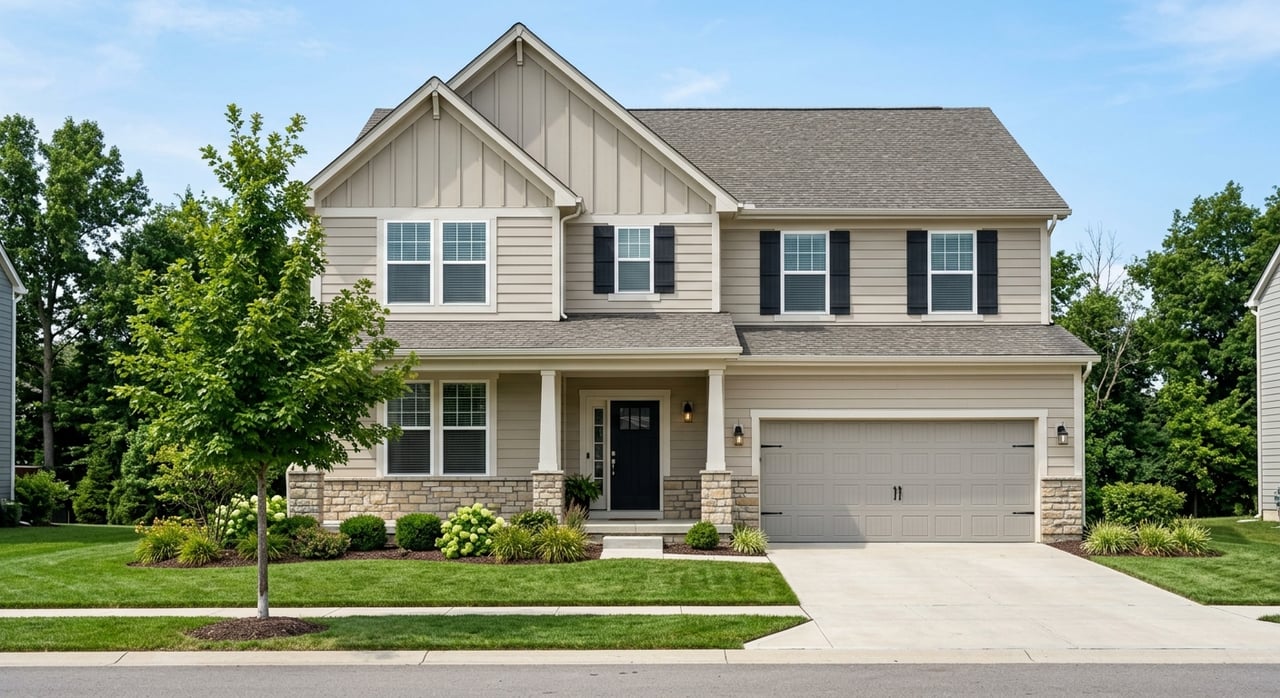
Erie Or Lafayette For Your Next Home Move?
June 18, 2026
June 18, 2026
Trying to choose between Erie and Lafayette for your next move? You are not alone. Both towns attract buyers who want Boulder-area access, strong outdoor amenities, and a comfortable place to put down roots, but they offer very different day-to-day experiences. If you are weighing newer neighborhoods against a more established town feel, this guide will help you compare the two with more confidence. Let’s dive in.
Erie and Lafayette are both competitive Boulder-area markets, and neither is a clear budget play in today’s market. Recent listing snapshots show Erie with a median list price of $750,000 and Lafayette with a median asking price of $661,900, while Census home value data also places Erie higher overall. At the same time, a sold-price snapshot for March 2026 showed Lafayette slightly ahead of Erie.
The key takeaway is simple: both towns are in high demand, and price comparisons can shift depending on whether you are looking at asking prices, owner-occupied value data, or closed sales in a given month. Rather than assuming one town is always cheaper, it is smarter to compare the type of home, lot, age, and location you want in each market.
Erie had 227 homes for sale in the March to April 2026 snapshot, with a median of 32 days on market. Lafayette had 195 homes for sale with a median of 31 days on market. That tells you both markets are active and moving at a fairly similar pace.
If you are shopping by budget alone, Lafayette may look more accessible at first glance based on asking-price data. But if you are comparing sold homes or more established properties in central locations, the gap can narrow or even flip. The better question is not just “Which town is cheaper?” but “Which town gives you more of what matters most to you?”
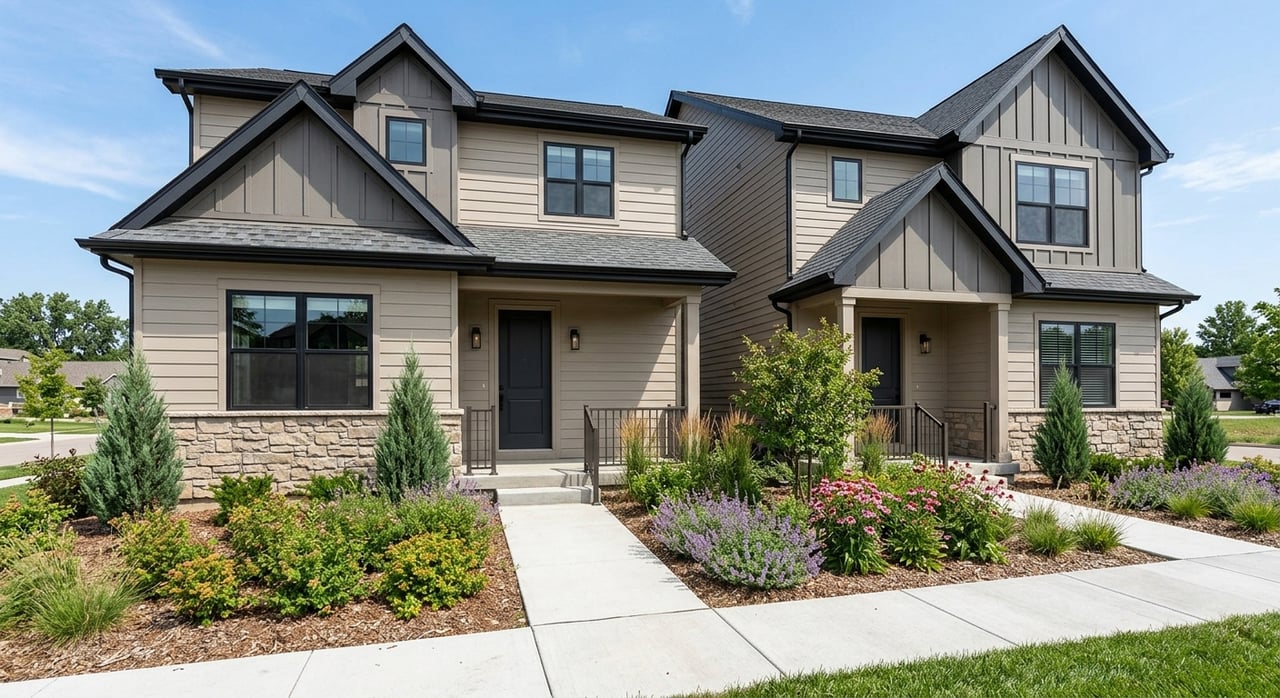
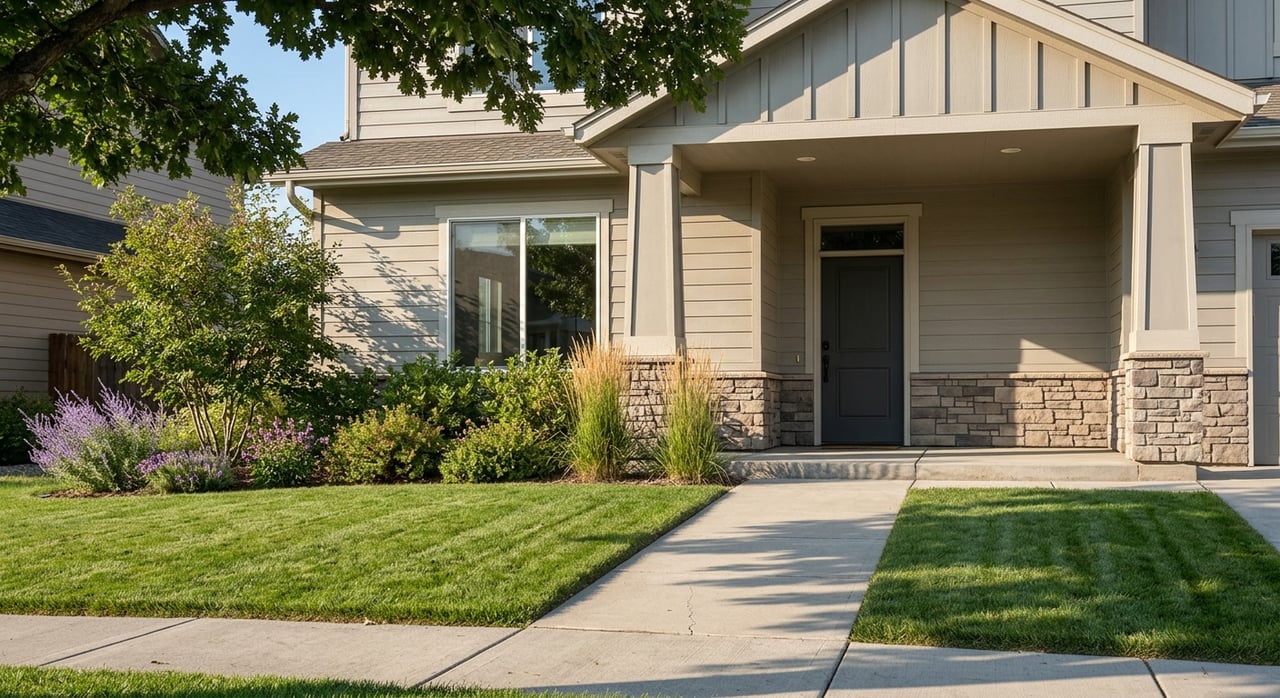
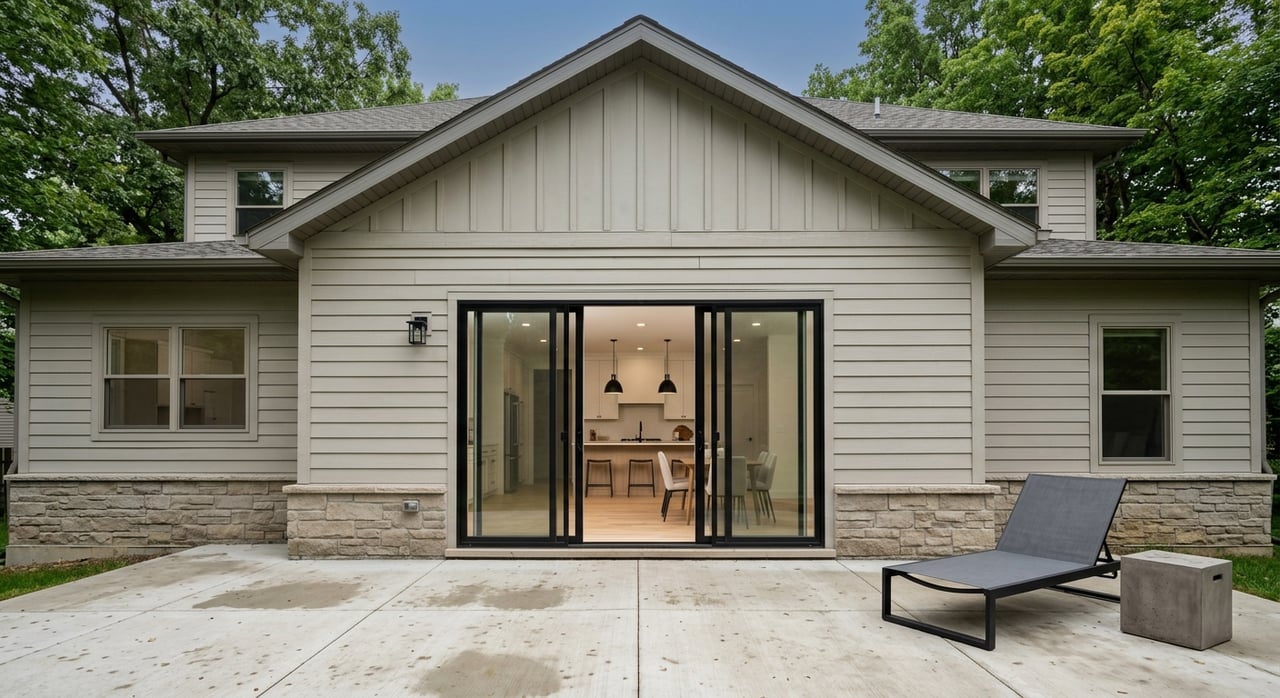
Erie tends to feel newer, more suburban, and more oriented toward detached homes. Census data shows an owner-occupied housing rate of 87.6%, an average household size of 2.88, and a younger age profile, with 28.6% of residents under 18. Erie’s community profile also notes that 93% of dwelling units in its residential growth section are single-family homes.
The town’s planning vision points toward interconnected neighborhoods, open space, trails, and distinct activity centers. In practical terms, that often translates into newer subdivisions, broader neighborhood layouts, and a strong emphasis on parks and outdoor access.
Erie may be a strong fit if you are looking for:
Lafayette feels more established and more varied in its housing mix. Census data shows a 65.7% owner-occupied rate, an average household size of 2.41, and an older overall age profile than Erie, with 16.1% of residents age 65 or older. City planning materials also describe Lafayette as focused on complete neighborhoods at a walkable, bikeable scale.
Old Town Lafayette adds another layer to the city’s identity. Planning and preservation materials describe a mix of historic or nonconforming homes, porches, varied architecture, and housing types that include townhomes and smaller apartment buildings. Newer projects such as Willoughby Corner also reflect a broader range of housing options, including duplexes, townhomes, and apartments.
Lafayette may be a strong fit if you are looking for:
This is one of the clearest differences between the two towns. If you want newer construction and newer neighborhood design, Erie is generally the better match. Its growth pattern has been strongly oriented toward detached homes and larger-scale suburban development.
If you are drawn to mature areas, varied architecture, and a more layered streetscape, Lafayette often stands out. Its established blocks, mixed housing types, and Old Town setting create a different feel than a newer planned subdivision.
Your daily routine may shape this decision as much as the home itself. Erie remains largely commuter-oriented, with the town reporting that more than 90% of residents commute out of Erie for work. Erie highlights access to I-25, Highway 7, Highway 52, and Highway 287, along with travel times of about 20 minutes to Boulder, 30 minutes to Denver, and 35 minutes to Denver International Airport.
Erie is also expanding transit support through the Erie Bee flex-ride concept, park-and-ride improvements, and other RTD-related changes. Even so, the town still reads as more car-oriented for everyday life.
Lafayette offers a somewhat different mobility picture. Census data shows a mean commute time of 23.6 minutes, and the city points to RTD access, including the US 36 Flatiron Flyer, plus Ride Free Lafayette, a free on-demand door-to-door bus service within the city. If you want stronger built-in local transit options and a more compact daily rhythm, Lafayette likely has the edge.
Both towns offer strong outdoor access, but they deliver it in different ways. Erie leans heavily into neighborhood recreation and large-scale open space. The town reports 70 miles of trails, 1,500 acres of parks and open space, and access to at least one park within one mile of home for 99% of residents.
That setup supports a distinctly suburban outdoor lifestyle. You may find that Erie feels especially appealing if you want neighborhood parks, trail connections, and a home base built around open space and recreation.
Lafayette’s system is smaller in trail mileage, but it is tied closely to the city’s compact form and community life. Lafayette oversees 20 parks, 20 miles of trails, 506 acres of solely owned open space, and 1,134 acres of jointly owned open space. The city also connects its trail and open-space network to its small-town feel.
Old Town Lafayette adds a social and civic layer that many buyers value. City materials highlight boutiques, international restaurants, parks, and community events such as Art Night Out, the Peach Festival, and the Beer Festival. If you want recreation and community activity woven into a central town setting, Lafayette may feel like the more natural fit.
If your top priorities are newer neighborhoods, detached homes, a younger household profile, and strong park-and-trail access, Erie is often the cleaner fit. It offers the feel of a growing suburban community with a strong amenity base and broad appeal for buyers who want more recent housing stock.
If your priorities lean toward an established town identity, housing variety, a walkable core, and stronger local transit options, Lafayette may suit you better. It brings a more mixed, compact, and downtown-connected experience.
In the end, this decision is less about which town is “better” and more about which town lines up with how you want to live. A thoughtful home search should compare not just price, but also neighborhood pattern, housing style, commute habits, and the feel you want when you step outside your front door.
If you want help narrowing down the right fit between Erie and Lafayette, Bethany J Sartell offers calm, informed guidance backed by deep Boulder-area market knowledge.
Get assistance in determining current property value, crafting a competitive offer, writing and negotiating a contract, and much more. Contact me today.