Louisville Colorado Downsizing Options for Condos & Townhomes
May 21, 2026
May 21, 2026
If your Louisville home feels bigger than you need, you are not alone. Many homeowners reach a point where less yard work, fewer stairs, and simpler upkeep start to sound a lot better than extra square footage. If you are wondering where to find townhome and condo options in Louisville, this guide will help you narrow your search, understand the tradeoffs, and plan your next move with more confidence. Let’s dive in.
Louisville continues to be a strong housing market, which matters if you are selling a larger home and buying something smaller in the same city. Current market data shows a median listing price of $950,000, a median sold price of $925,000, median days on market of 28, and a 98% sale-to-list ratio. That points to a market where well-positioned homes can still attract serious attention.
The challenge is that attached-home inventory is relatively limited. Recent counts showed about 15 condos and 12 townhomes for sale in Louisville, so your options may be narrower than the broader market suggests. That makes it especially important to define your must-haves early and move with a clear plan.
Not every part of Louisville offers the same downsizing experience. Price point, walkability, housing style, and access to downtown or trails can vary quite a bit depending on where you focus.
If your goal is to stay close to downtown, Old Town is one of the most compelling places to start. This area surrounds Louisville’s historic downtown, where the city is also evaluating zoning updates. Downtown remains a hub for community events, with places like Steinbaugh Pavilion continuing to host Street Faire concerts, the farmers market, and seasonal activities.
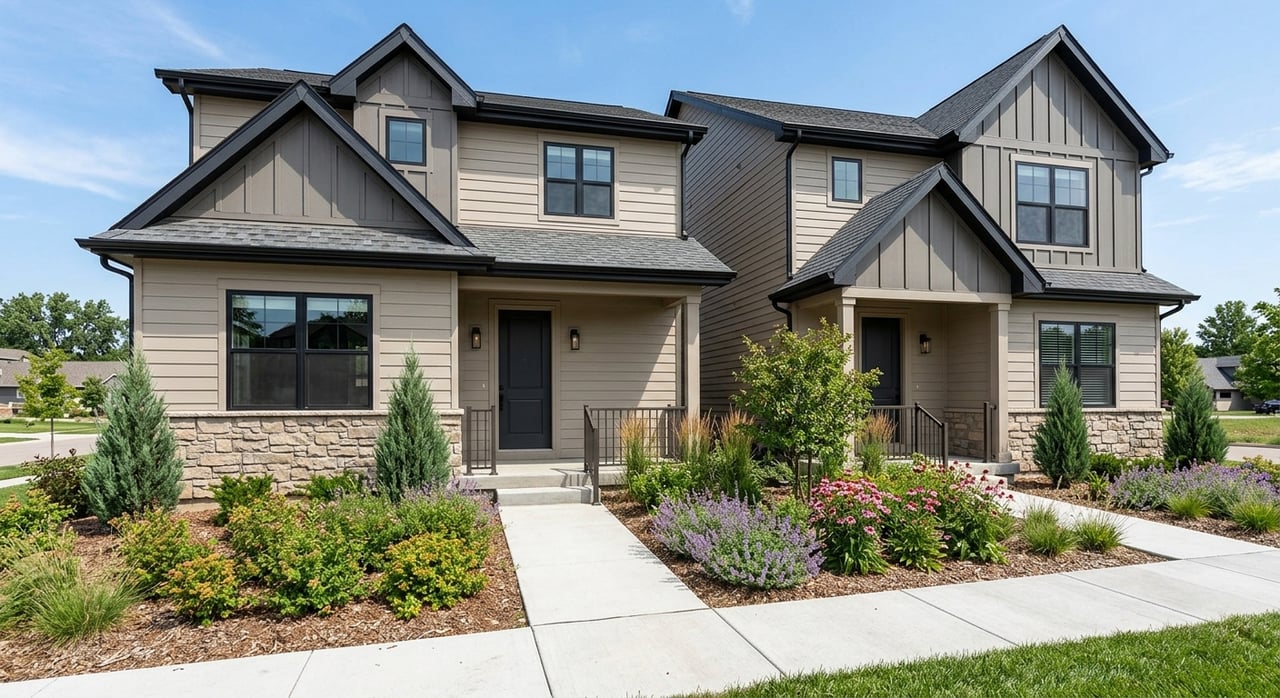
For downsizers who want to walk to restaurants, shops, and events, attached homes in Old Town can offer that lock-and-leave lifestyle without leaving Louisville behind. One recent example was a Clementina Street townhome with 3 bedrooms, 3.5 baths, 2,470 square feet, and monthly association fees of $444, priced at $940,000.
Old Town tends to sit at the higher end of Louisville pricing. Recent neighborhood median data puts Old Town around $1.11 million, so it is often a fit for buyers who want location first and are comfortable paying more for it.
If you want a newer attached-home feel, the Coal Creek area near South Boulder Road and Highway 42 deserves attention. The Coal Creek Village plan shows the kind of product Louisville has been adding here, including smaller 1 to 2 bedroom units, multifamily homes, and 3-story townhomes with garages.
This area also stands out for connectivity. The city describes downtown Louisville as roughly half a mile south of Coal Creek Village, and Louisville has about 32 miles of trails linking neighborhoods, parks, open space, and recreation facilities. If you want easier access to both daily errands and outdoor time, that mix can be appealing.
For some downsizers, newer construction is not just about style. It can also mean layouts built around today’s preferences, including elevator-served units in some mixed-use concepts and townhomes with attached garages.
If your priority is staying in Louisville without moving into the highest-priced areas, Hecla and North Louisville are worth a close look. Recent neighborhood median figures place Hecla around $724,500 and North Louisville around $675,000, lower than Old Town and Coal Creek.
That does not mean every attached home in these areas will be inexpensive, but it does suggest better odds of finding a more budget-conscious option. For downsizers balancing equity, monthly costs, and long-term flexibility, these pockets can be a smart place to search first.
Some of Louisville’s more attainable condo options have recently shown up around Taft Court and Copper Lane. Recent examples included a 1 bedroom, 1 bath condo with 556 square feet listed at $319,900, and a 2 bedroom, 2 bath condo with 970 square feet listed at $365,000 with $396 per month in HOA fees.
Another condo-style unit on Copper Lane, at about 1,005 square feet, had an estimated value around $417,900. For buyers who want to cut maintenance and monthly housing costs while staying local, these areas can offer an important entry point into the attached market.
One of the biggest surprises for downsizers is how wide the range can be. In Louisville, recent examples have included small condo flats around 556 to 729 square feet, mid-size 2 bedroom, 2 bath condos around 970 to 1,005 square feet, and larger townhomes from about 1,550 to 3,398 square feet.
That means downsizing does not always mean living small. You may be able to trade a detached house for a townhome with generous living space, a garage, and less exterior upkeep. For some homeowners, that is the sweet spot between simplification and comfort.
If stairs are a concern, pay close attention to the floor plan. Some future and newer mixed-use options in Louisville include elevator-served units, while many townhomes are 3 stories. Looking at square footage alone will not tell you how the home lives day to day.
A condo or townhome can reduce your responsibilities, but it rarely removes them completely. In Louisville listings, homes may be described as condo, townhouse, or condo townhome rowhome coop, but the label alone does not tell you exactly what you own or what the HOA maintains.
Before you buy, you will want to verify the deed, parking arrangement, common elements, and maintenance responsibilities in the HOA documents. That step matters because two homes with similar marketing language can come with very different obligations.
Colorado’s Division of Real Estate advises buyers in HOA communities to review governing and financial documents carefully. That includes understanding what counts as a common element and taking a close look at maintenance duties, insurance coverage, and the potential for special assessments.
Monthly dues are easy to spot, but they are only part of the picture. Louisville examples show HOA fees such as $396 per month for a Taft Court condo and $444 per month for a Clementina townhome. A Copper Lane HOA example included items like common amenities, trash, snow removal, grounds maintenance, management, water, insurance, and sewer.
Those services can support the lower-maintenance lifestyle many downsizers want. Still, you should also review the association’s financial health, meeting minutes, insurance, and reserve planning before closing.
Colorado guidance also notes that special assessments may be charged for major repairs, replacements, reserve funding, or other unexpected expenses. In an attached-home community, that possibility deserves careful attention because shared roofs, exterior surfaces, and common areas can create larger group costs over time.
When you move from a detached home into an attached one, insurance works differently. Colorado guidance notes that associations must maintain property insurance on common elements, and that becomes especially important after events like hail damage.
That does not mean you can skip your own coverage. It means you should understand where the HOA’s policy stops and where your personal policy begins. Reviewing those details early can help you avoid surprises later.
If you are selling a larger Louisville home and buying a condo or townhome, timing takes extra planning. The good news is that the broader market still leans in sellers’ favor. The harder part is that attached inventory is thin, and HOA document review adds another layer to your purchase timeline.
A practical downsizing plan usually starts with early pricing and preparation for your current home. From there, lender coordination, search strategy, and a clear sequence for HOA review and closing dates can make the transition smoother.
This is where local guidance can make a real difference. In a market with limited condo and townhome choices, you want to be ready to act when the right fit appears, while also protecting enough time for due diligence.
If Louisville is home and you want to stay, it helps to match your priorities to the right area.
That framework will not replace a property-by-property review, but it can save you time and help you search more intentionally.
Downsizing in Louisville is rarely just about moving into something smaller. It is about choosing a home that fits the way you want to live now, with the right balance of convenience, comfort, and cost. If you want help evaluating neighborhoods, comparing townhome and condo options, or building a smart sell-and-buy plan, connect with Bethany J Sartell.




Get assistance in determining current property value, crafting a competitive offer, writing and negotiating a contract, and much more. Contact me today.