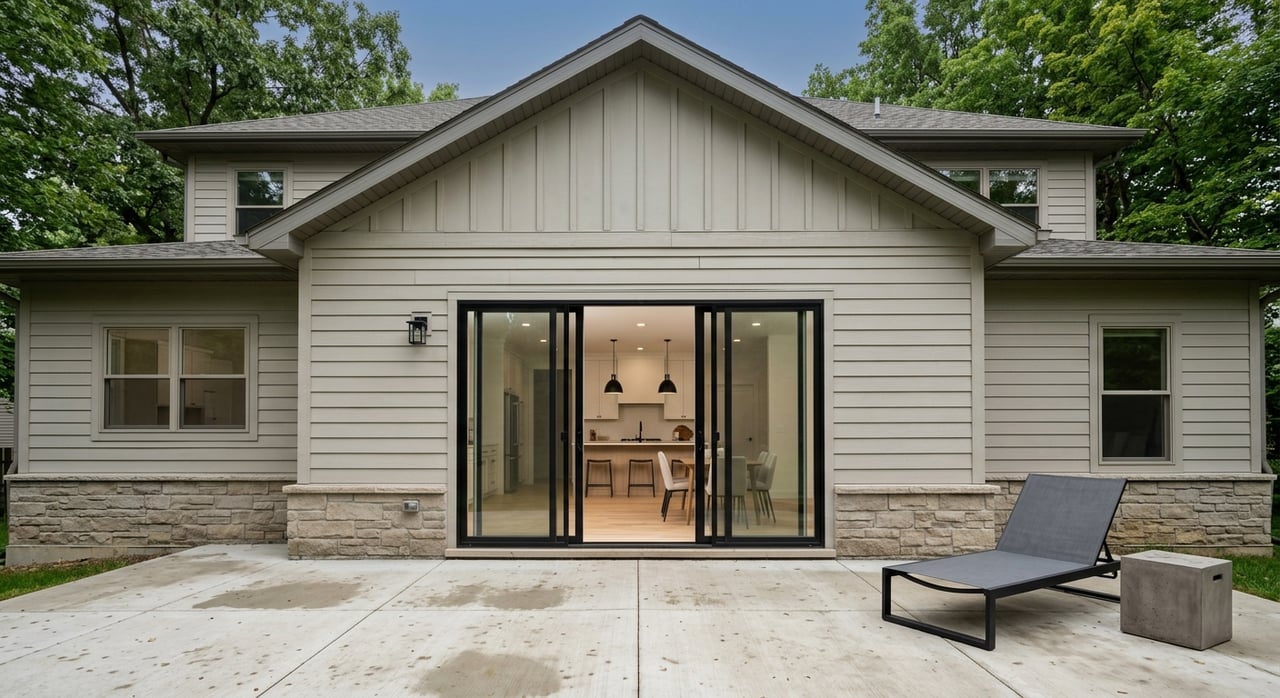
Relocating to Boulder Colorado: Key Insights for Buyers
April 16, 2026
April 16, 2026
Thinking about relocating to Boulder? You are not alone, and you are smart to do your homework before jumping in. Boulder offers a rare mix of city convenience, outdoor access, and strong transit connections, but it also comes with higher home prices and a market that still rewards preparation. If you want to understand what your budget may buy, how Boulder compares with nearby communities, and how to plan a smooth move, this guide will help you get grounded fast. Let’s dive in.
Boulder stands out because it gives you a more urban, pedestrian-friendly lifestyle than many Front Range communities. The city describes the Pearl Street Mall as a four-block urban public space in downtown Boulder, and local programs like Boulder Walks and Boulder Social Streets reflect the city’s focus on walkability, gathering spaces, and access to historic and cultural resources. That makes central Boulder especially appealing if you want to be close to restaurants, downtown activity, campus, and trail access.
Transit is another part of the appeal. According to the City of Boulder transit information, RTD operates much of the community network, the HOP runs frequently through core areas, and the one-way fare is $2.75. If you need regional access, the Flatiron Flyer connection links Downtown Boulder and Table Mesa with Denver Union Station.
One of the biggest surprises for relocating buyers is often price. Boulder remains an expensive market, and your housing options can look very different depending on whether you are shopping for a condo, townhome, or detached house.
The January 2026 local housing report shows a median sale price of $1,250,000 for Boulder single-family homes and $355,000 for Boulder townhouse and condo properties. That same report also showed about 2.9 months of inventory for detached homes and 3.6 months for attached homes, which points to a market that still requires buyers to be organized and realistic about timing and competition. You can review those numbers in the January 2026 Boulder housing stats.
A separate Redfin Boulder market snapshot for February 2026 reported a citywide median of $807,000, median 50 days on market, a 98.7% sale-to-list ratio, and 17.7% of homes selling above list price. The medians differ because of property mix and methodology, but the bigger takeaway is consistent: Boulder is costly, and attached homes often represent the most accessible entry point inside city limits.
If your goal is simply to get into Boulder, attached housing may offer the clearest path. Based on the local association report, the mid-$300,000s is an important benchmark for entry-level attached housing inside Boulder.
That does not mean every option will be turnkey or centrally located. It does mean you may have more flexibility if you are open to condos or townhomes instead of focusing only on detached homes.
If you are targeting a single-family home in Boulder proper, the median price around $1.25 million sets a useful baseline. Some homes will price below that mark, some well above it, but buyers relocating from lower-cost markets should be ready for a meaningful jump in budget.
This is where planning matters. You will want to define your must-haves early so you can decide where to compromise on size, condition, lot, or exact location.
For many relocation buyers, the smartest question is not just “Can I buy in Boulder?” but also “Should I buy in Boulder, or would a nearby community fit better?” That is not a good-versus-bad decision. It is a lifestyle and budget decision.
Central Boulder tends to offer more of the urban convenience many buyers picture when they first start searching. Nearby communities often offer a more residential feel, different price points, and their own trail, downtown, and open-space amenities.
| Area | February 2026 Median Price | What stands out |
|---|---|---|
| Boulder | $807,000 citywide snapshot | More urban, walkable, transit-rich, close to downtown and trailheads |
| Longmont | $516,250 | Lower price point in this group |
| Lafayette | $631,915 | Old Town core, trails, open space |
| Superior | $750,000 | Open space, trail network, evolving downtown civic space |
| Louisville | $840,500 | Historic downtown, trail access |
These nearby medians come from Redfin’s Longmont market page and the relocation research summary, and they are best used as directional comparisons rather than property-specific value estimates.
Louisville can appeal to buyers who want a strong town center feel without being in central Boulder. The city highlights its historic downtown as a cultural and entertainment hub, and it also notes about 32 miles of trails. In February 2026, the median sale price was $840,500 with 57 days on market.
If you want a downtown setting plus neighborhood-style living, Louisville is often worth comparing side by side with Boulder. You can learn more from the city’s overview of its business districts and historic downtown.
Lafayette offers another option for buyers who want access to Boulder County amenities at a lower median price than Boulder itself. The city reports about 20 miles of trails and 1,617 acres of open space, along with an active Old Town and downtown development area. The February 2026 median sale price was $631,915 with 77 days on market.
For buyers balancing commute, budget, and outdoor access, Lafayette often ends up on the shortlist. The city’s trails information gives a good sense of the local outdoor network.
Superior offers a smaller-community feel with meaningful outdoor infrastructure. The town reports 29.75 miles of trails and 570.75 acres of developed open space, plus a newer civic space in downtown Superior. The February 2026 median sale price was $750,000 with 108 days on market.
If you want newer development patterns and access to open space, Superior may be worth exploring during your search. The town’s parks, trails, and open space page is a useful starting point.
Longmont is often the lower-price option among the communities many Boulder-area relocators consider. Redfin reported a $516,250 median sale price and 77 days on market in February 2026.
That can make Longmont attractive if you want more flexibility in your budget or want to compare what the same payment buys in different markets. The Longmont housing market snapshot is helpful for monitoring broad trends.
If school logistics are part of your move, this is one area where careful verification matters. Most west and south Boulder-area suburbs covered in this guide fall within Boulder Valley School District, which serves about 28,000 students in 56 schools across Boulder, Lafayette, Louisville, Superior, and parts of Broomfield and Erie, according to the district’s enrollment information.
BVSD states that new students are guaranteed a seat in their neighborhood attendance-area school, while Choice Enrollment is available through a lottery. The district also notes that transportation is the family’s responsibility for non-neighborhood placements.
One more important detail: BVSD approved attendance-area changes for the 2026-27 school year. That means you should verify the exact school assignment for any property address before writing an offer, rather than relying on an old listing description or informal advice.
If you are considering a move farther north, district lines may change. St. Vrain Valley Schools serves Longmont and several surrounding communities, so a Longmont move may place you in a different district than Boulder proper.
A relocation move usually goes better when you treat your first search phase like a scouting process, not a random weekend of open houses. Because Boulder can still move at a steady pace, buyers planning a move in the next 6 to 18 months benefit from narrowing their options before they arrive.
A focused house-hunting trip can save time and reduce overwhelm. It also helps you compare Boulder with nearby communities in a more realistic way.
Before you fly or drive in, try to complete these steps:
Once you are on the ground, keep the schedule tight and intentional:
This kind of structure matters because Boulder homes can go pending in roughly 30 to 56 days, depending on the market segment and data source. A clear plan puts you in a better position to act when the right home shows up.
Yes, in many cases you can handle much of a Boulder-area purchase from out of town. Colorado allows remote notarization for many electronic documents that are otherwise eligible under state law, according to the Colorado Secretary of State remote notarization FAQ.
For relocation buyers, that can make the process much more manageable. You may be able to complete a large share of the paperwork electronically, though your agent and title company should still confirm which documents can be e-signed, which require notarization, and whether any final signatures need to happen in person.
Relocating to Boulder is exciting, but it is easier when you enter the process with clear expectations. Boulder offers strong lifestyle appeal, transit access, walkable central areas, and proximity to trails, but buyers also need to plan around higher prices and a market where preparation still matters.
The good news is that you do not have to solve every decision at once. With the right strategy, you can compare Boulder with nearby communities, understand what your budget can realistically buy, and make a move that fits both your lifestyle and your timeline. If you want expert guidance as you explore Boulder and the surrounding market, connect with Bethany J Sartell for calm, local support through every step of your relocation.
Get assistance in determining current property value, crafting a competitive offer, writing and negotiating a contract, and much more. Contact me today.