
Erie Home Selling Prep and Pricing Strategy
June 25, 2026
June 25, 2026
Wondering whether you should repaint, stage, lower the price, or just get your Erie home on the market fast? That is a common question, especially in a market where buyers are active but still careful about value. If you are getting ready to sell, the best results usually come from pairing smart prep with realistic pricing, not from guessing or over-improving. Let’s dive in.
Erie continues to grow, with the Town of Erie reporting a 2024 population of 40,183 and an estimated population of 48,000 by 2030. Its location between major job centers and regional highways supports steady interest from buyers looking for commuter-friendly homes. That makes practical features like layout, storage, and move-in readiness especially important when you list.
At the same time, this is not a market where any home sells instantly at any price. Recent market snapshots show homes selling close to list price on average, but they also show meaningful time on market and a notable share of price reductions. In other words, buyers are engaged, but they are comparing options closely.
One of the biggest mistakes sellers make is relying on a townwide average instead of recent neighborhood-level comparables. Erie values can vary quite a bit depending on location, home type, condition, and price point. Research shows neighborhood values ranging from roughly the low $600,000s to well above $1.3 million, which is too wide a spread for a one-size-fits-all pricing approach.
That is why your list price should come from the most recent sold comps that match your home as closely as possible. Square footage, lot size, finish level, updates, and location within Erie all matter. What a buyer paid in one neighborhood may not translate cleanly to another.
Recent data also supports a balanced strategy. Redfin reported a median sale price of $772,538 for the three months ending May 2026, homes selling in about 42 days, a 98.9% sale-to-list ratio, and 20.8% of homes selling above list price. The same source also noted that 32.3% of Erie homes had price drops, which is a strong reminder that overpricing can cost you time and momentum.
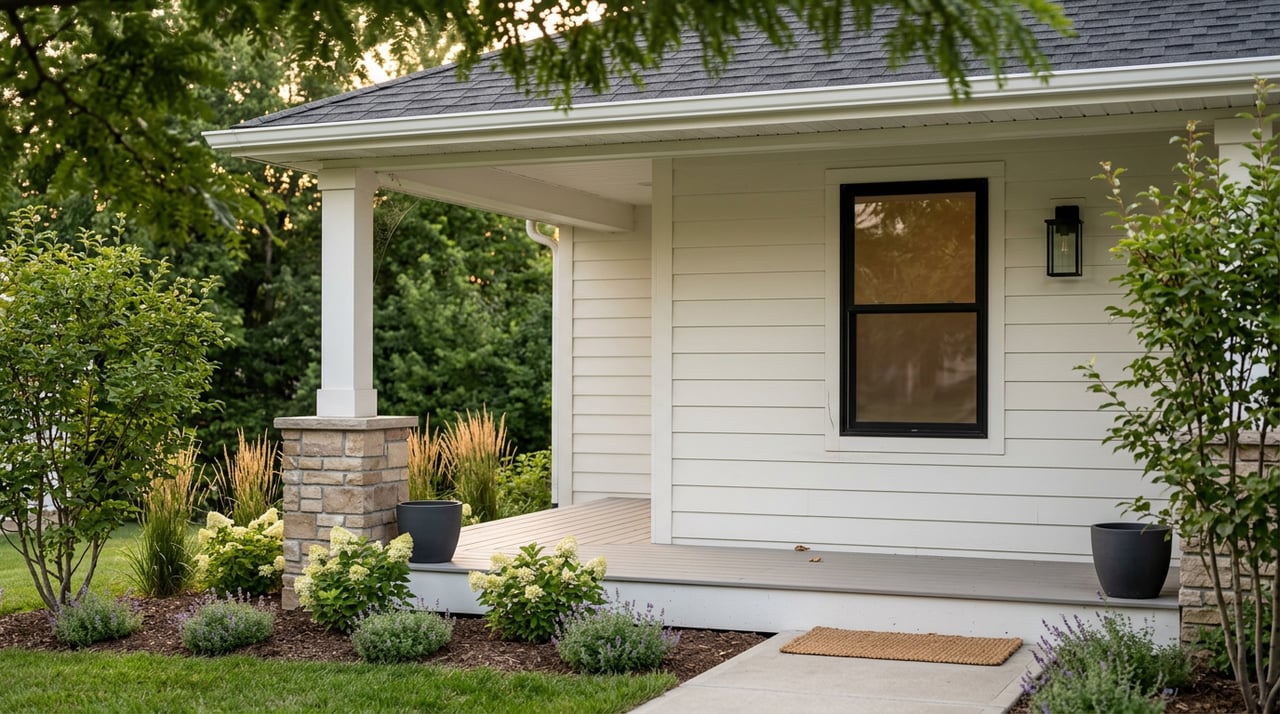
The goal of pre-listing prep is not to force a higher price than the market will support. The real goal is to present your home so buyers see its value quickly and have fewer objections. When your home looks clean, neutral, and well cared for, pricing has a better chance to work as intended.
This is where preparation and pricing need to work together. A polished presentation can improve perceived value, but buyers in Erie still compare your home against nearby alternatives. If the condition looks strong and the price aligns with recent comps, you are in a much better position.
Before listing, it usually makes sense to start with cosmetic improvements that have visible impact. Research from NAR points to a simple message for sellers: modest, noticeable improvements often make more sense than a major remodel when your goal is to sell.
Painting is one of the most common recommendations before listing. A fresh, neutral interior can help your home feel cleaner, brighter, and easier for buyers to picture as their own. If your current colors are very personal or bold, this can be one of the highest-value changes you make.
Other smaller projects may also help if they improve first impressions or everyday function. Research highlights front door updates and closet improvements as projects with strong estimated cost recovery. If your front entry feels tired or closets look crowded, those are smart areas to address.
You do not need to redesign every room in the house. In fact, a focused plan is often more effective and more efficient. NAR research shows that the living room, primary bedroom, and kitchen are the rooms buyers care about most when it comes to staging.
That gives you a clear place to start. If your budget, time, or energy is limited, put your effort into the spaces where buyers spend the most emotional attention. Those rooms often shape the overall impression of the home.
Staging does not mean remodeling. It usually means decluttering, simplifying furniture, softening personal style choices, and making the home feel open and inviting. According to NAR’s 2025 Consumer Guide, 83% of buyers’ agents said staging makes it easier for buyers to visualize the property as their future home.
A practical staging checklist often includes:
These steps help your home feel larger, calmer, and easier to understand online and in person.
It is easy to assume that spending more will always lead to a higher sale price. In reality, large projects are not always the best pre-listing move, especially if they require permits, time, and added stress. In many cases, a cosmetic-first plan is the smarter path.
For sellers in Erie, this matters because the Town’s Building Division requires permits for many substantial improvements. Remodeling, structural changes, electrical or plumbing modifications, room additions, door and window modifications, decks, and fences can all fall into permit territory. If you are considering anything beyond cosmetic work, it is important to verify requirements before you begin.
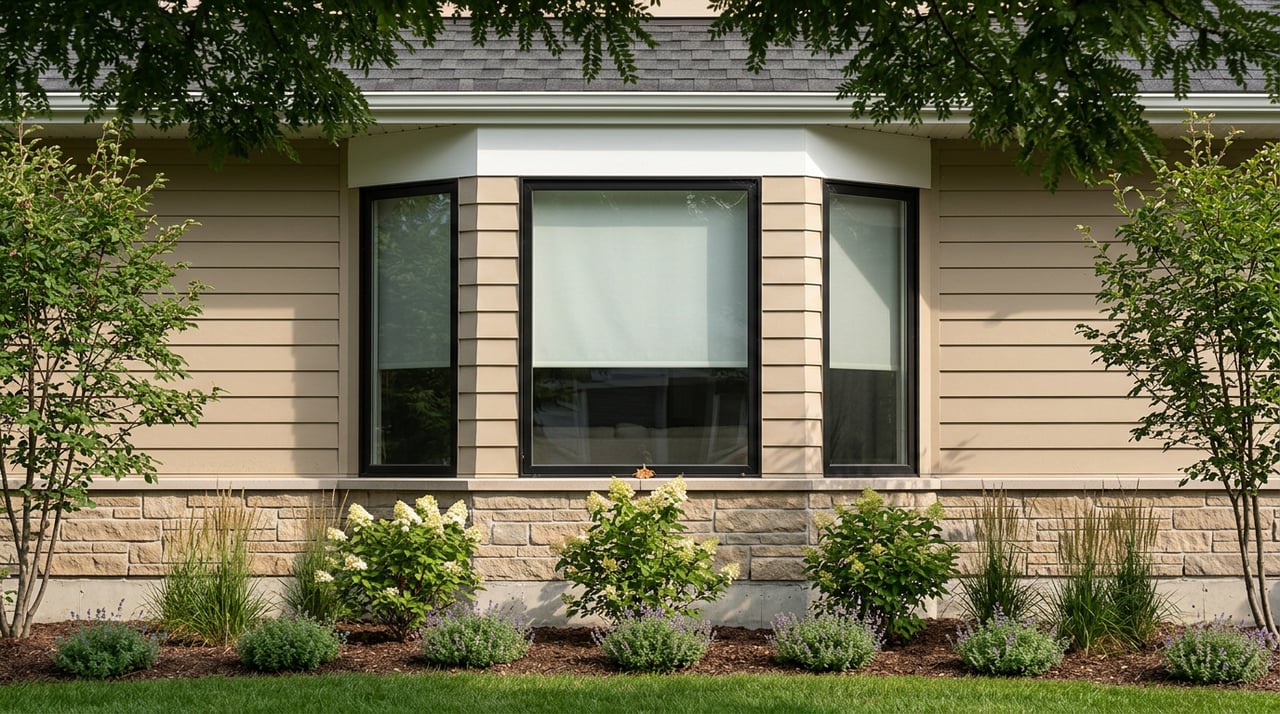
The Town also notes that permits are generally not required for cosmetic work like painting, replacing floor coverings, swapping cabinets and countertops without structural changes, and general landscaping. That makes light, visible improvements more appealing when your goal is to prepare the home efficiently. In many cases, staying cosmetic helps you improve presentation without creating delays.
Pre-listing prep sometimes uncovers issues you did not know were there. You might find a leak stain after moving furniture, a non-working outlet, or an older repair with little documentation. If that happens, do not ignore it.
Colorado’s Division of Real Estate provides a commission-approved Seller’s Property Disclosure form for residential sales, and brokers must disclose adverse material facts actually known to them, including defects and environmental hazards. If an issue comes up during preparation, the best approach is to document it and address disclosure decisions before your listing goes live.
This is another reason to make prep decisions thoughtfully. A calm, organized plan helps you handle repairs, records, and disclosures without scrambling later.
If you want a simple framework, start here. The strongest listing strategy in Erie is usually a neighborhood-specific price paired with a cosmetic-first preparation plan. That approach respects both the market and the buyer experience.
A practical path often looks like this:
This kind of plan helps protect your momentum once the home hits the market. It also reduces the risk of chasing the market later with price drops that could have been avoided.
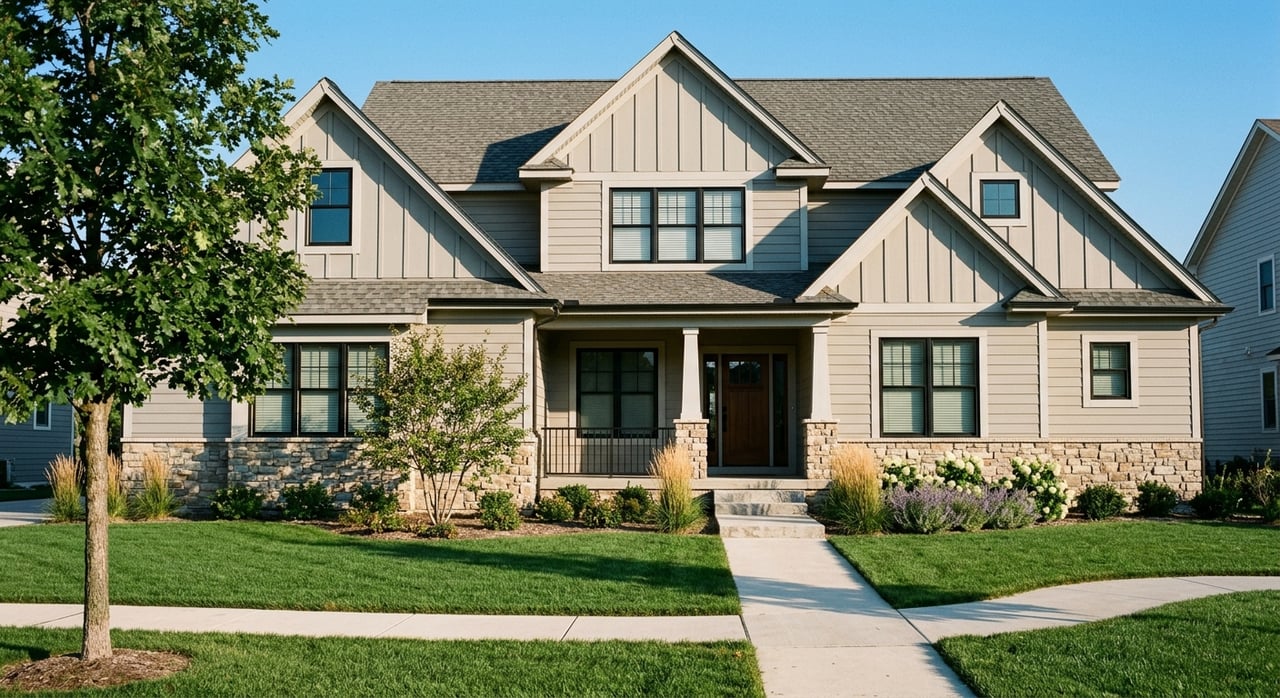
Erie attracts a wide range of buyers, and that creates opportunity for sellers. It also means your home will be judged against a meaningful set of alternatives. Buyers may love the town, but they still weigh layout, finish level, condition, and price carefully.
That is why thoughtful preparation matters so much here. When buyers walk into a home that feels clean, spacious, and move-in ready, they are more likely to respond positively. When that presentation is matched with pricing grounded in recent local sales, your home is positioned to compete well.
A strong listing is not about doing everything. It is about doing the right things in the right order. In Erie, that usually means smart cosmetic prep, careful attention to permits and disclosures, and a price built from real neighborhood evidence.
If you are thinking about selling in Erie, a calm, local strategy can make the process clearer and more effective. For tailored guidance, premium marketing, and a pricing plan built around your home and neighborhood, connect with Bethany J Sartell.
Get assistance in determining current property value, crafting a competitive offer, writing and negotiating a contract, and much more. Contact me today.