Want lower utility bills without sacrificing comfort? In Erie, Colorado, the right energy-efficient features can make your home warmer in winter, cooler in summer, and easier to maintain. Whether you’re buying or preparing to sell, understanding which upgrades matter most helps you focus on value, not buzzwords. This guide covers the Erie features buyers love, how to verify them during showings and inspections, and practical next steps. Let’s dive in.
Why efficiency matters in Erie
Erie’s semi-arid, continental climate brings frequent winter freezes, warm to hot summers, and plenty of sunshine. That means heating drives a big share of energy use, while summer cooling still matters on hot days. High solar potential makes rooftop PV attractive, and local winds and hail make roof durability a priority. With a mix of newer suburban builds and older homes, you’ll see a wide range of efficiency levels across the market.
Top features Erie buyers love
Insulation and air sealing
Good insulation and tight air sealing reduce heat loss in winter and help stabilize indoor temperatures year-round. In Erie’s temperature swings, this often delivers noticeable comfort upgrades and lower HVAC runtime. You’ll feel fewer drafts and enjoy more even temperatures from room to room.
How to verify:
- Ask for permits and insulation specs or contractor invoices.
- Check the attic for consistent insulation depth and coverage. Look for sealed penetrations and properly handled recessed lights.
- Request any blower-door test results or a recent energy audit report.
- Watch for gaps at top plates or uninsulated knee walls.
High-performance windows and doors
Double or triple-pane windows with low-E coatings and insulated frames help limit winter heat loss and reduce summer glare. Quality weatherstripping and tight thresholds also reduce drafts. NFRC labels provide key performance numbers like U-factor and SHGC.
How to verify:
- Look for NFRC labels or request window specs from the seller.
- Check for fogging between panes and smooth operation of locks and latches.
- Inspect door weatherstripping and thresholds for wear.
Efficient HVAC and distribution
High-efficiency furnaces and heat pumps can cut energy use and improve comfort. Cold-climate heat pumps are designed for low temperatures and can heat and cool with one system. Proper duct sealing and sizing are just as important as the equipment itself.
How to verify:
- Record the make, model, age, and efficiency ratings from equipment labels.
- Confirm routine maintenance history.
- Inspect ducts you can see for insulation and air leaks, especially in unconditioned areas.
- For heat pumps, ask if the unit is a cold-climate model and whether there’s a supplemental heat source.
- Consider a mechanical inspection for refrigerant charge, combustion safety on gas systems, and duct balance.
Efficient water heating
Heat-pump water heaters, high-efficiency tankless units, or well-insulated tanks can lower hot water costs. In Erie, heat-pump water heaters often perform well in basements or garages with moderate conditions.
How to verify:
- Note the unit type, age, capacity, and UEF rating.
- Check venting and combustion safety for gas units and look for signs of leaks or condensation.
Smart thermostats and controls
Programmable and learning thermostats adjust heating and cooling to your schedule, which is valuable in a climate with big day-night swings. Zoning can also improve comfort by managing different areas separately.
How to verify:
- Confirm the thermostat connects properly and functions as intended.
- Ask for a quick app demo if available.
- Identify whether the home has multiple zones and thermostats.
Ventilation and indoor air quality
As homes get tighter, balanced ventilation becomes more important. HRVs and ERVs help bring in fresh air while recovering heat or energy, which supports comfort and air quality in winter.
How to verify:
- Look for an HRV or ERV unit, check maintenance records, and find supply and exhaust grilles.
- Confirm bathrooms and kitchens vent to the outdoors.
LED lighting and ENERGY STAR appliances
LEDs reduce electricity use year-round and are an easy, visible upgrade. ENERGY STAR appliances add quiet efficiency wins throughout the home.
How to verify:
- Check for ENERGY STAR labels and note model numbers.
- Ask for manuals or receipts for recent purchases.
Solar PV and solar-readiness
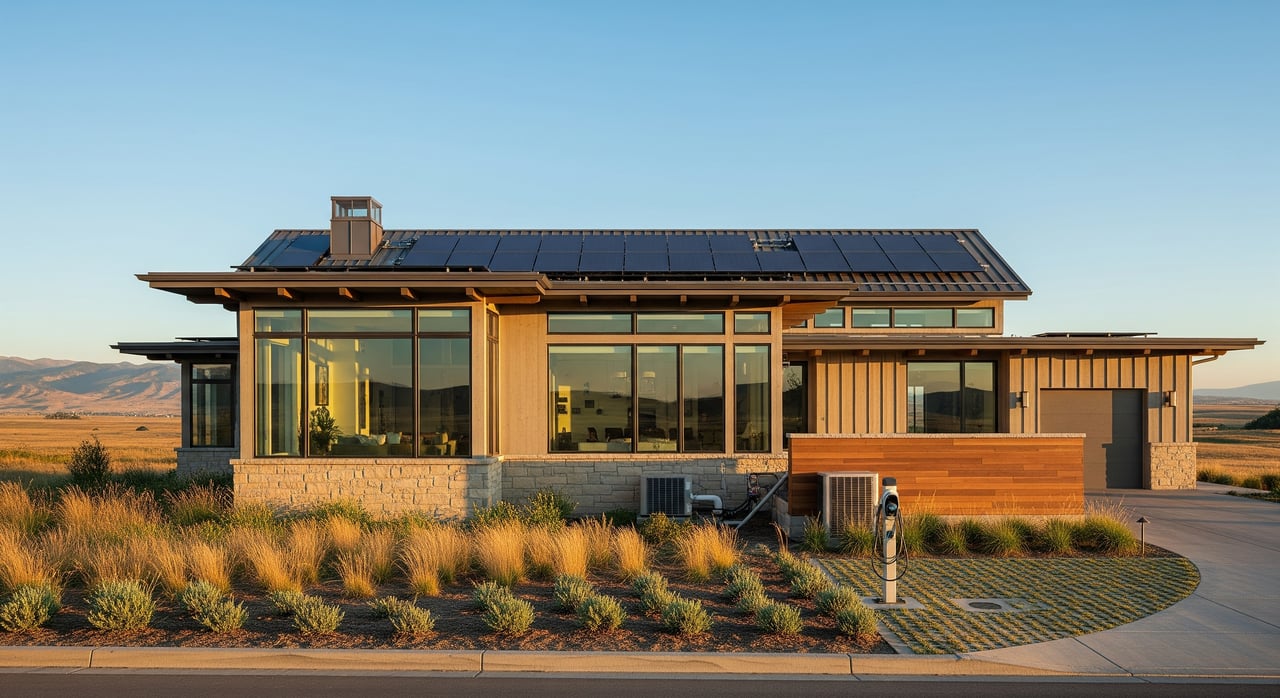
Erie’s strong solar resource makes PV a compelling option, especially when paired with efficient HVAC and electric water heating. Ownership details matter for resale value, and roof condition and orientation drive long-term performance.
How to verify:
- For existing PV: request interconnection paperwork, production history, warranties, and permits. Confirm whether the system is owned or leased.
- For solar-ready homes: evaluate roof age, condition, and orientation. Look for conduit and space in the electrical panel for future equipment. Check for shading from trees or nearby structures.
Durable roofing and exterior
Hail and high winds are part of life on the Front Range. Durable, hail-resistant roofing, proper flashing, and good attic ventilation protect your investment and support safe solar mounting.
How to verify:
- Note roof material and age. Ask for recent inspection reports or hail claim documentation.
- Confirm permits for recent roof work.
What this means for comfort and costs
Heating and cooling often represent the largest share of home energy use. That is why insulation, air sealing, and right-sized, efficient HVAC deliver the biggest comfort and bill impacts. Whole-house upgrades that combine envelope improvements with HVAC updates commonly reduce energy use by tens of percent. Actual results vary with the home, equipment, and usage patterns, but buyers regularly report more stable temperatures and quieter systems after these improvements.
Resale value and buyer preferences in Colorado
Across many studies, buyers often pay premiums for demonstrable energy improvements such as owned solar panels or certified high-performance homes. In Colorado, awareness of efficiency and electrification is growing, and these features can help your listing stand out or sell faster. Ownership and documentation matter, so keep receipts, permits, maintenance records, and third-party reports organized to support your price and position.
Incentives and how to check eligibility
Programs and amounts change often, so verify current details before you budget or advertise savings. Look to these sources:
- Federal: IRS guidance for residential clean energy and energy efficiency tax incentives.
- State: Colorado Energy Office for statewide programs and contractor resources.
- Utility: Xcel Energy Colorado for rebates on heat pumps, heat-pump water heaters, home energy audits, and smart thermostats.
- Local: Erie and Weld County building departments for permitting, potential fast-track options, or local program updates.
Tip: Confirm eligibility, timelines, and documentation requirements before you schedule work. This helps you maximize rebates and avoid delays.
Quick verification checklist for showings
Use this short list to focus your walkthrough and questions.
Documents to request:
- Make, model, and age for HVAC, water heater, and major appliances.
- Permits and final inspection certificates for HVAC, insulation, windows, roof, or solar.
- Home energy audit, blower-door test, HERS rating, or similar third-party reports.
- Solar interconnection, production data, warranties, and ownership documents.
On-site quick checks:
- Thermostat: programmable or smart, and working.
- Attic: visible insulation with consistent depth and sealed penetrations.
- Windows/doors: smooth operation and no fogging between panes.
- HVAC: label photos for model numbers, note age and any rust or leaks.
- Water heater: identify type and UEF rating, check for leaks.
- Lighting/appliances: look for LEDs and ENERGY STAR labels.
- Roof: note shingle condition and any signs of recent hail repairs.
Inspector or energy auditor items:
- Combustion safety and efficiency for gas heating.
- Duct leakage and insulation in unconditioned spaces.
- Blower-door test and infrared scan for insulation gaps.
- Ventilation performance for HRVs/ERVs.
- PV: electrical inspection, inverter status, and mounting integrity.
Red flags worth deeper review:
- No permits for major mechanical or roof work.
- Frequent HVAC repairs or repeated refrigerant service calls.
- Failed double-pane seals, chronic condensation, or ice dam indicators.
- Leased solar paperwork that is incomplete or difficult to transfer.
For sellers: how to highlight efficiency
If you’re preparing to sell in Erie, gather clear documentation so buyers can verify value quickly.
- Create a binder or digital folder with permits, receipts, maintenance logs, and manuals.
- If you’ve upgraded insulation or sealed ducts, include before-and-after photos and any test reports.
- For solar, include monthly or annual production history and warranty details.
- Consider a pre-listing energy audit to validate improvements and give buyers confidence.
For buyers: how to write smarter offers
When you find a home you love, align your offer and inspection with energy goals.
- Ask for a list of efficiency upgrades and their documentation with your offer.
- Include an energy-focused inspection scope, such as blower-door testing, duct leakage checks, or a heat pump performance review.
- If the home has solar, request a dedicated solar addendum to confirm ownership, interconnection, and production.
A clear, calm process helps you compare homes apples-to-apples and protects your investment.
Ready to move forward in Erie or the surrounding Boulder County suburbs? Talk with a local advisor who understands both the market and the technical details. With steady guidance on due diligence and presentation, you can buy with confidence or list with a stronger story.
[CTA] Schedule a consultation and get your complimentary home valuation with Bethany J Sartell.
FAQs
What are the most impactful energy upgrades in Erie homes?
- Insulation and air sealing paired with efficient, right-sized HVAC often deliver the largest comfort and bill improvements, with whole-house upgrades commonly reducing energy use by tens of percent.
How can I tell if a home’s windows are efficient during a showing?
- Look for NFRC labels and ask for specs; check for fogging between panes, smooth operation, and intact weatherstripping on both windows and exterior doors.
Do solar panels add resale value in Erie, CO?
- Research indicates owned systems generally support price premiums and buyer interest, while leased or PPA systems require careful review of transfer terms.
Are heat pumps effective in Colorado winters?
- Cold-climate heat pumps are designed for low temperatures and can provide efficient heating and cooling when correctly sized, installed, and maintained.
Where do I find current rebates and tax credits for upgrades?
- Check IRS guidance for federal tax credits, the Colorado Energy Office for state programs, and Xcel Energy Colorado for utility rebates, since availability and amounts change often.